Table Of Contents
- What Are Five Marketing Strategies That Retailers Spend Half of Their Annual Budget On?
- 1. Data-Driven Marketing
- 2. Omni-Channel Marketing
- 3. Social Media Marketing
- 4. Content Marketing
- 5. Loyalty Programs
- How Do Retailers Benefit From Marketing Strategy?
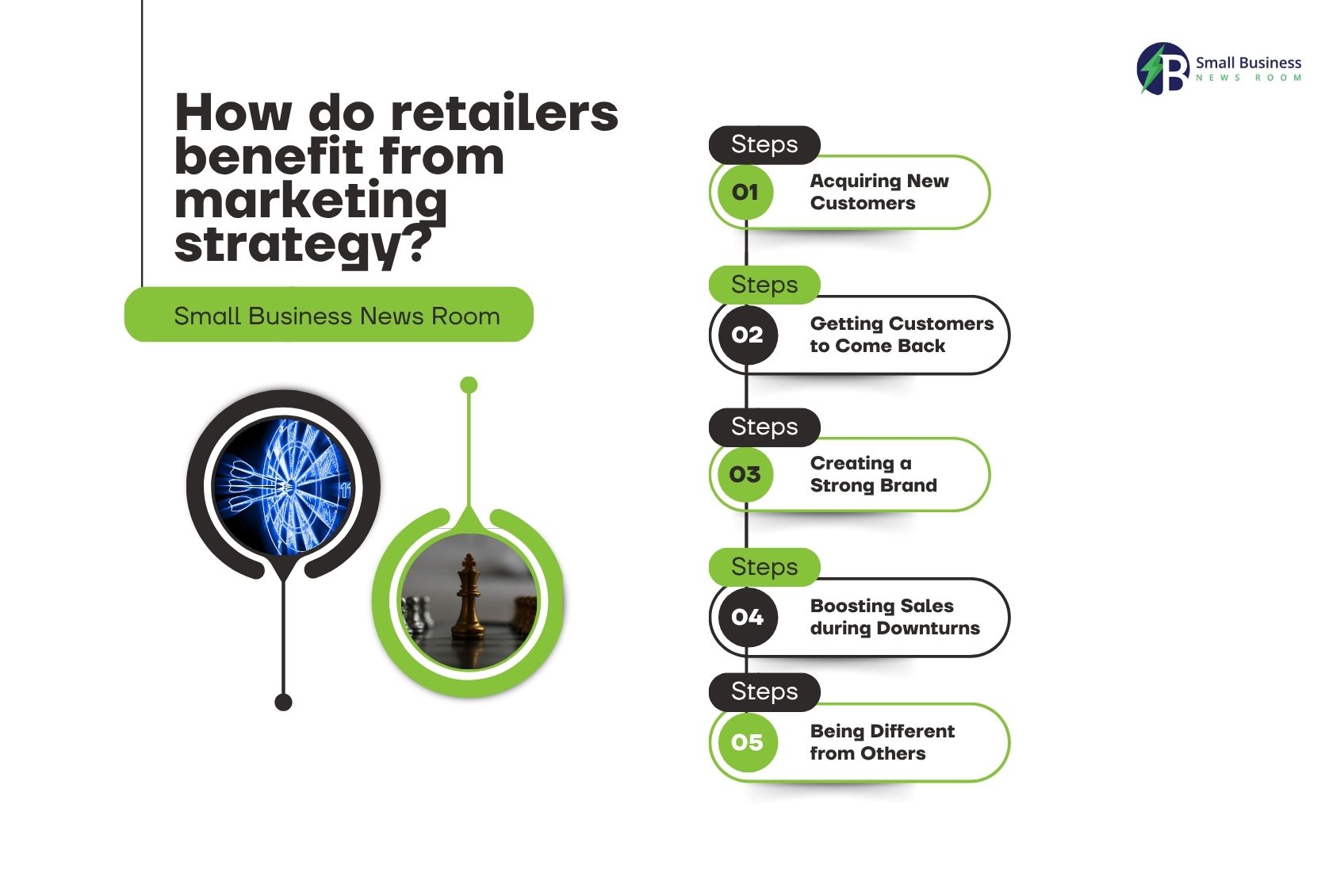
- 1. Acquiring New Customers
- 2. Getting Customers to Come Back
- 3. Creating a Strong Brand
- 4. Boosting Sales during Downturns
- 5. Being Different from Others
- Can They Also Use Such Small Shops?
- Key Takeaways For Small Business Budgeting
What Are Five Marketing Strategies That Retailers Spend Half of Their Annual Budget On?
Last Updated on: September 28th, 2026
Have you ever asked yourself, “What Are Five Marketing Strategies That Retailers Spend Half of Their Annual Budget on?” Well, if you have? Then you are not alone.
I believe most people want to learn how small and large retail businesses allocate their advertising budgets.
In this analytical guide, we will break down a key question: What Are Five Marketing Strategies That Retailers Spend Half of Their Annual Budget on?
Based on recent m data, large corporations allocate up to 50% of their total operational budgets strictly to high-return customer acquisition and retention channels.
We will look at the mechanics behind these five heavy-hitting strategies, backed by industry examples, to understand how they drive retail revenue.
What Are Five Marketing Strategies That Retailers Spend Half of Their Annual Budget On?

Marketing is crucial. The size of the business does not matter! What matters most is how they acquire more customers, sell more, and further establish their brand.
But then, not everything is equal when it comes to marketing. Some may become superior, while others become more popular than the others.
That’s why companies allocate most of their budget to these five basic methods. So, let’s take a look!
1. Data-Driven Marketing
This is where companies use data (information) to decide which ads to show you. For instance, if you frequently buy shoes online, the mall will show you more shoe ads.
The merchants collect information from various sources, including:
- Websites,
- Apps,
- Emails, and
- Purchases in-store.
But why do they look for such information? This data helps them understand what people are interested in and what they may be shopping for.
This lets them offer more targeted offers and ads to the right people.
Why do they pay money here?
- Because it works! Every single time! People are more likely to buy a product if they feel it’s designed specifically for them.
- They require specialized software, equipment, and professionals to process the data.
Let’s say you’re at a party and looking for a red dress on an online platform.
If you notice, you will see some advertisements for red dresses on your social media platform. That is what data-driven marketing is!
However, this massive spending comes with strict YMYL risk and compliance requirements.
With the rise of consumer data privacy laws like the GDPR (General Data Protection Regulation) and the CCPA (California Consumer Privacy Act).
Retailers must spend billions annually on secure Customer Data Platforms (CDPs) and consent management tools.
They must balance aggressive target tracking with legal data privacy boundaries to avoid massive corporate fines.
2. Omni-Channel Marketing
Omni-channel marketing mainly involves selling and communicating with customers in non-traditional settings.
This can happen through a website, an app, or even social media.
You might test a product on your phone, buy it on your laptop, and have it fetched from the store. The process is simple and seamless.
Why do retailers spend money here?
- Customers prefer convenience. Customers purchase online, in stores, and elsewhere.
- Getting all the pieces to cooperate (store, site, app) takes time, money, and resources.
For example, you browse a phone online but don’t buy it.
The following day, you receive an email offering a 10% discount on the same phone. That is a clever application of omnichannel marketing.
According to retail consumer studies, businesses using a fully integrated omnichannel strategy enjoy a 91% higher year-over-year customer retention rate than those using single-channel retail systems.
Now, bridging the gap between online e-commerce infrastructure and physical Point-of-Sale (POS) inventory trackers is highly complex.
It demands half of modern retailers’ technical budgets.
3. Social Media Marketing
Most individuals utilize social media currently! They use platforms like Instagram, FB, YouTube, and TikTok.
You can also see shops use these sites to run ads, post videos, host contests, and collaborate with influencers.
This lets them reach more people and connect directly with customers. Social media advertising is fast, fun, and an effective marketing tool.
Why do retailers spend money here?
- It’s an excellent way to connect with young, active users.
- Even with a limited budget, you can reach a large audience.
- However, creating strong content (such as videos, photos, and captions) takes time and creativity.
For example, the fashion brand uploads a video of 5 types of scarves. Everyone enjoys it, shares it, and purchases from the website.
While social media yields high engagement, a significant portion of this budget goes directly into paid ad networks and legal contracts for Influencer Marketing Partnerships.
Retailers must navigate strict advertising guidelines, ensuring influencers clearly tag posts with disclosures like #Ad or #Sponsored to comply with fair-trade advertising rules.
4. Content Marketing
Content marketing is when companies create helpful or entertaining content, such as blog articles, videos, how-to guides, or newsletters.
They don’t just want to sell; they also want to help and build trust.
Consumers enjoy reading advice, watching tutorials, or discovering something new from a brand they admire. If they must purchase a product, they will remember that useful brand
Why is it popular?
- Content helps with SEO (being popular on Google).
- It helps build long-term customer relationships.
- But it requires writers, designers, and planners—so it is expensive.
For instance, a company that specializes in beauty produces a blog post called “5 skincare tips for summer.” It benefits readers while also indirectly promoting their products.
5. Loyalty Programs
Loyal customers are retailers’ darlings. That is why they invest in loyalty programs that reward repeat shoppers.
You may have seen offers such as “Get 1 point for every ₹100 spent” or “Save 10% on your next purchase.” These programs encourage people to come back again and again.
Why invest in loyalty?
- It costs less to keep a customer than to acquire a new customer.
- Individuals who feel appreciated spend more.
- But it requires tracking tools and occasionally gifts or reductions.
Let’s say you shop at a supermarket and use your loyalty card. On two visits, you receive a ₹200 discount. You will be delighted and shop there again!
From a financial perspective, data shows that acquiring a new customer costs up to 5 to 25 times more than retaining an existing one.
High-budget loyalty ecosystems, such as tiers, cash-back points, and mobile app rewards.
This directly maximize a metric known as Customer Lifetime Value (CLV), making it one of the safest financial investments a retailer can make.
You May Also Love to Read: The Ultimate Guide To Digital Marketing For Small Businesses: Proven Strategies For Growth.
How Do Retailers Benefit From Marketing Strategy?
Retail is not merely selling. It is about building connections, creating experiences, and leaving a lasting impression.
That is where effective marketing strategies come in—and here is how they do indeed help:
1. Acquiring New Customers
Marketing informs. Advertising, social media, brochures, or a trendy banner can attract people to your shop, either in person or online.
Without marketing, even great products may go unnoticed.
Imagine marketing as extending an invitation. If no one gets invited, no one will show up.
2. Getting Customers to Come Back
It’s no longer only about acquiring new clients. It’s also about keeping existing ones satisfied.
Advertising strategies that include loyalty programs, targeted mailers, and seasonal campaigns show your clients you value them.
Satisfied customers come back more easily, and typical clients spend more.
3. Creating a Strong Brand
Marketing enables you to establish a brand voice and identity. Your logo, your store’s colors, and your Instagram posts all contribute to your brand picture.
A consistent, strong appearance helps people remember you more easily.
People don’t purchase products. People purchase stories, feelings, and reliability.
4. Boosting Sales during Downturns
All stores have slow periods. It can be during rainy weather, after holidays, or between paychecks.
Marketing lets you create special promotions, drive quick sales, or host entertaining events to bring people through the door when business is slow.
With the right marketing, you can turn a slow day into a busy day.
5. Being Different from Others
Retail is hard. Someone is constantly opening another store or location that offers something essentially the same as yours.
Marketing shows what makes your business unique. It allows you to say, “Hey, we’re not just another store—we’re your favorite store!”
Can They Also Use Such Small Shops?
You don’t have to be rich or have a large team to apply marketing tactics. Small shops can use the trick too. Yes! They just need simple, smart marketing.
For instance, you can create a free Facebook or Instagram page. You can use the accounts to post news, product photos, or customer success stories.
Moreover, you can also send small promotions or thank-you messages. You just have to collect customer phone numbers or emails. That’s it!
Oh! Don’t forget about A simple reward system. It works! Always!
Rewards like “Buy 5, get 1 free,” still apply and encourage them to come back. You can use free resources like Google Business to list your store online.
Write short blog posts, upload videos, or offer tips on your products. Anything that can be of use to others.
It’s not about how much you spend, but how much you invest and how consistently you do it. Small, constant steps will make your local store grow like those giants.
Marketing isn’t for large businesses—it is for anyone.
Key Takeaways For Small Business Budgeting
If you are a small business owner looking to replicate these giant retail systems on a budget, financial advisors recommend prioritizing your spend in this order:
- Audit Your Data First
Use free analytics tools (like Google Analytics) to track consumer actions before buying expensive ads.
- Fix the Friction
Ensure your online store and your physical setup share the same basic pricing to avoid turning away omni-channel shoppers.
- Protect Consumer Trust
Always offer clear opt-out options on your email newsletters and SMS text marketing lists to build long-term brand integrity.
Read More: