
Table Of Contents
Top 5 Fintech Software Development Companies To Hire In 2026
Last Updated on: August 25th, 2026
In 2026, a mismanaged software vendor relationship isn’t just a budget overstep—it is a compliance hazard.
With tightening financial regulations and complex API integrations, picking the wrong partner can tank your timeline before you even hit staging.
Picking from the many fintech software development companies on the market is not really about choosing the loudest brand.
It is about finding a team that understands your product, your risk, and the reality of fintech development.
The safest shortlist is built on fit, not on hype. I am approaching this topic as someone who enjoys technology, has run projects, and has worked with multiple software houses.
That experience changes how you read offers from software companies, software development agencies, and every development firm that promises the same thing.
Once you have seen one bad fintech project up close, you stop caring about polished slides and start caring about how a team thinks.
The real question is simple. Which of these top fintech software development companies can help you build fintech software without creating new problems in architecture, compliance, product development, and post-launch support.
That is the question that matters more than any award badge, vendor slogan, or “best fintech” claim.
Our Evaluation Methodology: We reviewed these software houses against four strict parameters: verified market presence (minimum 5 years), transparent code deployment structures, engineering familiarity with banking compliance (DORA, PCI-DSS), and post-launch support protocols.
Key Takeaways
- The best fintech software development companies are not the best for everyone.
- A strong fintech solution starts with product fit and not with a big sales deck.
- Good fintech software development services reduce confusion before coding starts.
- Banking software, fintech platforms, and fintech apps need different kinds of teams.
- The right top fintech software development companies company explains trade-offs in plain English.
- A shortlist gets stronger when every vendor is matched to a real business problem.
| 30-Second Matchmaker Checklist Choose Selleo if: You have an idea or a rough wireframe and need a team to co-design the roadmap. Choose Oxagile if: You are processing millions in transactions, and your current architecture is buckling under load. Choose KindGeek if: You want a strategic partner who will tell you your AI feature idea is a waste of money before building it. Choose Vention if: You have the blueprint ready but need 20 engineers by next Monday to meet a product deadline. Choose ScienceSoft if: You are a regulated institution migrating off a legacy main platform and cannot afford a single second of downtime. |
TOP 1 # Selleo Software Development Company
Minimum Project Entry: $10,000+
Average Hourly Rate: $25 – $49 / hr
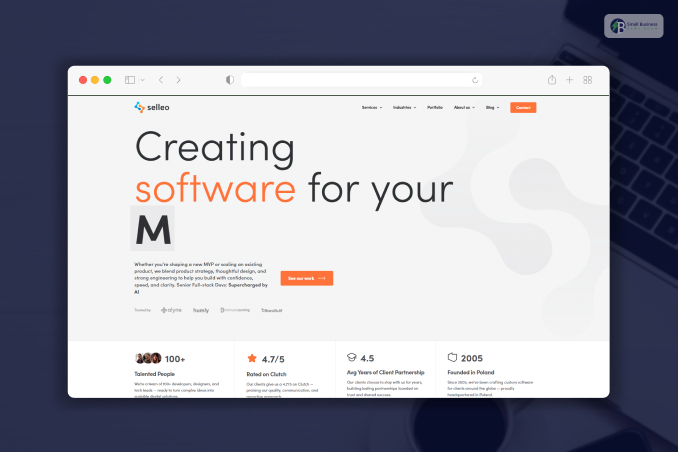
I put Selleo first because it feels closest to what many buyers need when a fintech product is still taking shape. This software company comes across as a team that wants to understand the product before rushing into custom development.
- Prioritizing Product Definition Over Speed
A software house becomes far more valuable when it helps define the right product, not only the fastest scope.
That matters for startups, fintech startups, and more mature financial companies building a new fintech application.
It also matters when a company needs custom fintech software development services and not just raw coding hours.
- Maximizing Value Through Early Clarity
The real value here is clarity in the development process before the software development process becomes expensive.
Selleo reads like a fintech software development partner that works well for MVPs, product discovery, and a tailored fintech roadmap.
It also fits teams that want front-end and end-to-end development, plus product collaboration, in one place. This kind of development partner helps reduce waste before the software development team gets deep into the delivery phase.
- A Genuine Partnership Approach
Another reason I rank it high is tone. The offer feels closer to a partnership than a software outsourcing theater.
In the middle of that journey, it also makes sense to look at hire interactive prototyping experts Software House Selleo. This is because it shows how the team thinks about product validation before heavy engineering begins.
That step can save a buyer from funding the wrong fintech app with the right code.
Selleo also feels like a good match for companies that want a fintech software development partner with strong communication and clear ownership.
That is useful in a development project where the scope still needs structure, and the product team still needs feedback.
For a buyer who wants trusted fintech software development, clarity is worth more than speed alone.
- Balancing The Trade-Offs
The trade-off is honest and easy to understand. Selleo looks stronger for collaborative product development than for long enterprise procurement cycles.
That is not a flaw. It just means the company is sharper in one part of the market. The right fintech development choice is the one that matches how your team actually works.
TOP #2 Oxagile
Minimum Project Entry: Contact for Custom Enterprise Scoping
Average Hourly Rate: $25 – $49 / hr
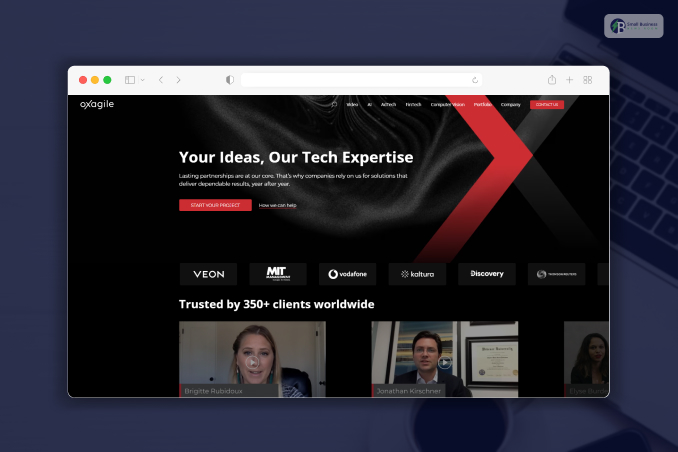
Oxagile comes second because it looks stronger in fintech infrastructure, payment flows, and system modernization.
When you read its positioning, the message is less about abstract innovation and more about banking software, integrations, and solutions that need to withstand real-world pressure.
This is the kind of development company that specializes in more complex financial software problems.
- When Technical Stakes Are High
That difference matters. Some fintech companies need help shaping an early product.
Others already have a live fintech application and need stronger fintech systems, cloud-based banking software, or payment-heavy software solutions.
Oxagile makes more sense when the product is already real, and the technical stakes are already high.
- Operational and Concrete Focus
I also like the fact that the language feels operational. It points toward payment continuity, provider switching, fraud logic, and architecture that supports scale.
That is healthier than a generic promise about modern fintech or digital innovation. A buyer learns more from concrete fintech infrastructure language than from a page full of empty adjectives.
- Built for Enterprise and Enterprise Scale
This profile is stronger when a company needs specialized software solutions for payments, integrations, or legacy modernization.
That makes it attractive for enterprise software projects, regulated financial service flows, and more demanding fintech platforms.
If your product lives close to payment rails, this type of fintech development partner becomes much more compelling.
- Prioritizing Stability and Integration
Oxagile also fits buyers who want a team with development expertise around integration-heavy financial software solutions.
That can matter more than flashy branding when the real issue is reliability across providers, not presentation quality. This is one of the better choices when financial operations software must remain stable under load.
- Choosing the Right Fit for the Problem
The trade-off is clear. Oxagile feels better suited to modernization and infrastructure-heavy work than to a very early startup product with a light discovery phase.
That makes it a better fit for complex environments than for lightweight experimentation.
A shortlist gets smarter when you stop asking who looks impressive and start asking who fits the real problem.
Regulatory-Ready Engineering
Ensure the team has a proven baseline for architecture built around strict modern compliance.
You need to specifically address DORA (Digital Operational Resilience Act) for system uptime, and the EU AI Act transparency rules if handling automated decision engines.
TOP #3 KindGeek
Minimum Project Entry: $50,000+
Average Hourly Rate: $50 – $99 / hr
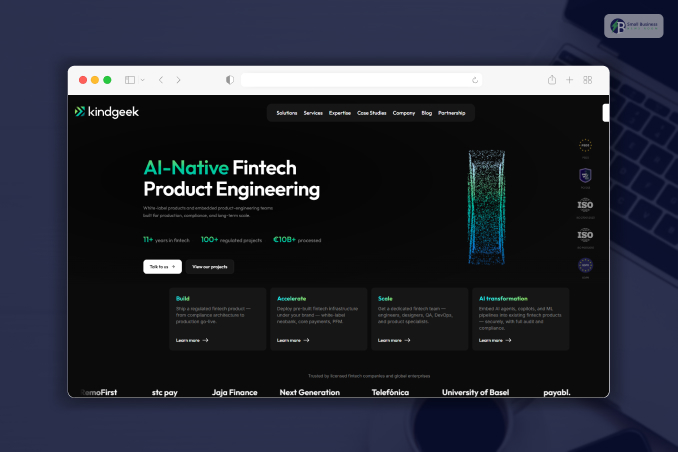
KindGeek takes third place because it communicates the quality of its evaluations more clearly than many fintech software developers in this category.
That sounds subtle at first, but it matters in the real world. A good vendor does not only writes code well, but also helps you make a better buying decision before the contract locks in.
- Prioritizing Structure And Decision Quality
What stands out here is the focus on structure. This is not the profile of a low-cost development team that only wants tickets.
It feels more like the top fintech software development companies services partner that considers discovery, hidden costs, and decision quality.
That kind of mindset protects the buyer from costly mistakes that surface later in the project.
I also read this company as more product-minded than task-driven.
That is useful when a team is still shaping a fintech solution, a fintech product, or a broader set of software products for the fintech industry. The strongest point here is not raw coding volume, but the ability to make the whole shortlist smarter.
- Challenging Weak Assumptions With Deep Expertise
This style is valuable for product teams that need strong fintech expertise, clear product development thinking, and a vendor that can challenge weak assumptions.
It also fits companies that want more than generic fintech services and seek a partner with visible fintech expertise. That type of discipline saves more money than a lower hourly rate ever will.
KindGeek also feels relevant for teams exploring AI development or AI-driven fintech ideas, especially when those ideas still need stronger product framing.
AI is easy to oversell in fintech. It is much harder to place it inside a sensible roadmap. A serious team brings fintech innovation into the product at the right moment, rather than using it as decoration.
- The Trade-Off: Strategic Value Over Lowest Cost
The trade-off is easy to explain. This is not the vendor I would lead with for someone who wants the cheapest entry point and nothing else.
It is a better fit for buyers who value structure, clarity, and smarter decisions early on. That is why it earns a strong place in this ranking of top fintech software development companies.
TOP #4 Vention
Minimum Project Entry: $50,000+
Average Hourly Rate: $50 – $99 / hr
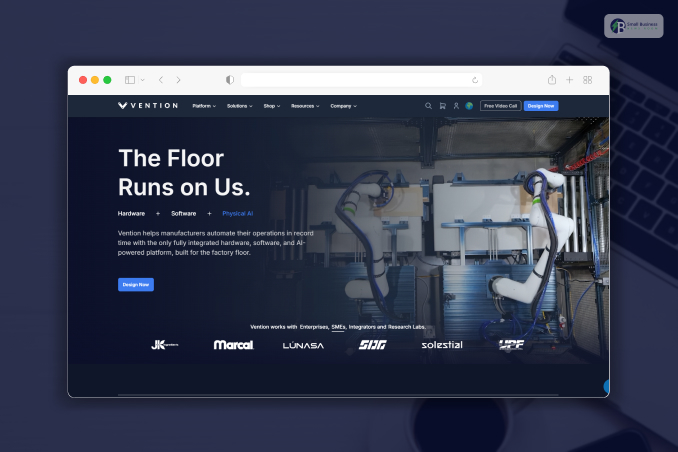
Vention lands in fourth place because it becomes useful when scale is the main problem. Some fintech companies do not need help defining the product.
They already know what they want to build and need a bigger development team to move faster. That is where a larger application development company starts to look practical.
- Accelerating Roadmaps And Overcoming Hiring Gaps
This profile fits broader financial software work, custom software development, and larger software products that need more hands across functions.
It also works for buyers who need an app, a mobile app, or a mobile application development without spending months hiring.
In plain English, this is the kind of partner you call when your roadmap is moving faster than your in-house team can absorb.
- Delivering Deep Bench Strength For Fast Execution
There is real value in that. A broad software development team can help a growing company stop losing time to hiring gaps, fragmented execution, and uneven role ownership.
That matters for tech companies and financial companies alike. Scale helps when the main bottleneck is delivery capacity and not product uncertainty.
- Managing Complex, Cross-Functional Tracks
Vention also makes sense when a buyer needs a wide mix of skills across application development, financial software development services, and custom software development company support.
That kind of bench strength can keep a project moving when several tracks run at once. A broad team is useful when the work is large, cross-functional, and time-sensitive.
- The Trade-Off: Scaling Power Vs. Narrow Precision
The downside is also easy to explain. Broad capability does not automatically translate to deep fintech expertise in a single narrow use case.
A team can be very good at scaling delivery and still be less convincing in a highly specific corner of the fintech market. Scale is helpful, but precision still matters more in a regulated niche.
That is why Vention sits here and not higher. It is a strong option for broader execution and wider staffing flexibility, especially in global fintech environments.
It is less compelling as the automatic first pick for a highly specialized fintech project. A wide delivery engine is valuable, but the better answer is still the one that solves your exact problem cleanly.
TOP #5 ScienceSoft
Minimum Project Entry: Contact for Custom Enterprise Scoping
Average Hourly Rate: $50 – $99 / hr
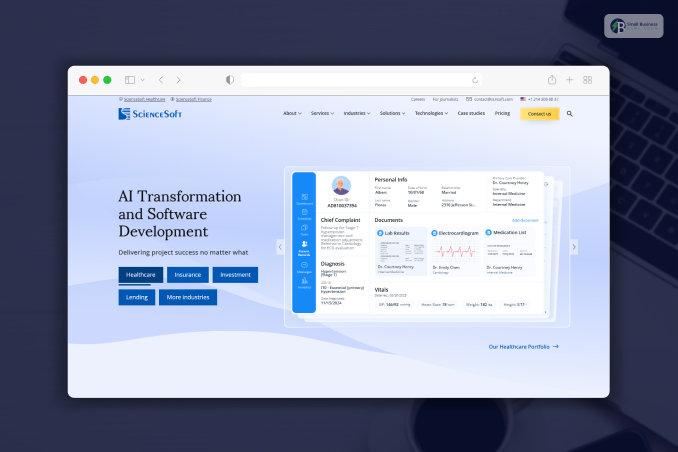
ScienceSoft rounds out the list because it brings something many buyers still care about a lot. It brings maturity, breadth, and a strong enterprise feel.
That has real value when the product sits inside a bigger organization or a more demanding operating model. A long track record still matters when the cost of failure is high.
- Suited For Large-Scale Stability
This profile feels better suited to larger fintech systems, broader implementation work, and serious financial service environments.
That makes it a reasonable option for financial institutions and fintech startups that already have some scale. Stability becomes a feature when the business needs dependable delivery more than experimentation.
- A Structured And Broad Corporate View
ScienceSoft also comes across as a company with a broad view of enterprise and financial software solutions.
That helps in environments where the buyer wants process, coverage, and less delivery drama. For the right buyer, a calm, structured development approach is more effective than a louder sales pitch.
I would also include this vendor in conversations about enterprise fintech platforms, large-scale migration work, and software that supports financial operations across departments.
That is a different buying case from a young startup building its first fintech app. The more complex the organization becomes, the more valuable operational maturity can feel.
- The Trade-Off: Breadth Vs. Sharp Fit
The trade-off is the same one I apply across this whole ranking. Breadth is not the same as a sharp fit.
A company can cover a lot of ground and still be weaker for one exact product category than a more focused fintech development partner. This ranking rewards product fit more than general corporate weight.
So yes, ScienceSoft deserves a place on a serious shortlist. I just would not treat a long history as a shortcut to the best answer.
In a competitive fintech space, category depth still beats broad capability when the product risk is highly specific. The stronger choice is the one that fits the real job, not the one with the biggest footprint.
Regulatory-Ready Engineering
Ensure the team has a proven baseline for architecture built around strict modern compliance.
You need to specifically address DORA (Digital Operational Resilience Act) for system uptime, and the EU AI Act transparency rules if handling automated decision engines.
How do you choose the right fintech software development company in 2026?
The short answer is simple. You choose the right fintech software development company by matching proof to your product, your risk, and your team model.
That means choosing the right fintech based on evidence, not recognition. The right fintech software development company is the one that can explain your problem back to you in technical terms that actually make sense.
- Filter One: Product Fit And Technical Language
The first filter is product fit. Payments, lending, wealth, and embedded finance do not break in the same places.
A team that wants to build fintech software for payments should talk clearly about PSPs, retries, fraud checks, token handling, and audit trails.
If a vendor cannot speak the language of your exact fintech product, the shortlist gets weaker right away.
- Filter Two: Delivery Fit And Process Structure
The second filter is delivery fit. Ask how the development process works, how the software development process is structured, and how the team handles discovery, changes, and ownership.
That matters whether you are buying custom fintech software development or broader fintech development services.
A strong development partner makes the path visible before the work gets expensive.
- Filter Three: Operating Fit And Incident Response
The third filter is operating fit. You need to know what happens after release, not just before. Ask how the team handles support, post-launch fixes, incident response, and evolving product needs.
The best buyer question is still very practical: what happens when something breaks in production on a bad day?
- Understanding The True Costs Of Fintech Development
This is also where the costs of fintech software development become clearer. Cost is shaped by product complexity, compliance pressure, integration depth, and the quality of the development strategy.
A cheap proposal can turn into an expensive mistake very quickly. A lower price is not a lower risk when the team misunderstands the product.
Contract shape matters too. Some teams are a better fit as fintech software development partners for long-term product work.
Others are better suited to a contained build. That is where development strategy, software outsourcing style, and the overall development approach start to matter.
A buyer gets better outcomes when the contract model matches the reality of the work.
- Respecting The Company Stage And Moment
A good shortlist also respects the company stage. Some partners help fintech startups with an MVP and a tighter product loop.
Others work better for financial institutions and fintech startups that already need governance, documentation, and larger delivery muscle.
Choosing the right fintech starts when you stop asking who is best in general and start asking who is right for this exact moment.
The Value of Editorial Honesty
That is also why editorial honesty matters. One company is stronger for bespoke fintech discovery. Another is stronger for banking software modernization.
Another is stronger for scale. Another is stronger for enterprise software structure. The ideal fintech software development choice is never universal, because the problem itself is never universal.