Table Of Contents
- What Is PF Final Settlement?
- Documents You'll Need
- Online PF Claim Process (Step-by-Step)
- Step 1: Access The EPF Member Portal
- Step 2: Go to ‘Online Services’
- Step 3: Confirm Your Information
- Step 4: Choose Claim Type
- Step 5: State Withdrawal Reason
- Step 6: Attach KYC (if necessary)
- Step 7: Upload Documents (If Necessary)
- Step 8: Submit Your Claim And Monitor
- Offline PF Claim Process (Step-by-Step)
- Step 1: Obtain The Right Form
- Step 2: Carefully Complete The Form
- Step 3: Provide Supporting Documents
- Step 4: Hand Over To EPF Office
- Step 5: Obtain An Acknowledgment
- Step 6: Verification Of Claim By Epfo
- Step 7: Claim Processed
- Step 8: PF Amount Transferred
- What Are The Tips For Faster PF Settlement?
- Update Your UAN And KYC
- You Must Check Your Bank Account Details Twice
- Opt For Online Submission If Possible
- Have Your Documents Ready In Advance
- Monitor Your Claim Status Frequently
- Answer EPFO Questions Promptly
- Keep Your Employment History Transparent
- Common Mistakes To Avoid
Understanding Form 19 In EPFO: A Comprehensive Guide To Withdrawal And Settlement
Last Updated on: July 25th, 2026
If you recently left your current job, one of the first things you might be thinking about is: “What is the process of getting my PF money?”
Nothing to worry about! It is really quite simple as long as you know the correct steps.
Regardless of whether you file for your PF via the EPF portal or submit your offline papers at the EPF office, this guide will assist you fully.
In this article, I will help you understand the process, the required documents, and how to avoid frequent delays.
What Is PF Final Settlement?

The final settlement of your Provident fund (PF) is the method of reclaiming the entire sum in your Employees’ Provident Fund (EPF) account after quitting a job. It consists of:
- Your contribution (the portion that you contributed from your salary)
- Your employer’s contribution
- Interest accrued on both
As soon as Form 19 in EPFO is filed, the money is transferred straight into your bank account after your claim has been processed. It is akin to getting a reward for all the savings you accumulated during your employment.
Documents You’ll Need
Before initiating the claim process, have the following documents ready:
| UAN (Universal Account Number) | It connects your PF account with your identity. |
| Bank account details | The bank account must be connected to your UAN. |
| Canceled cheque or bank passbook | To validate the account number and IFSC. |
| PAN card | It may be necessary if the PF balance exceeds the taxable limit. |
| Employment details | Your last paycheck or relieving letter might help. |
If you have these documents ready, it can speed up the process and help avoid unnecessary communication with the EPFO.
Online PF Claim Process (Step-by-Step)
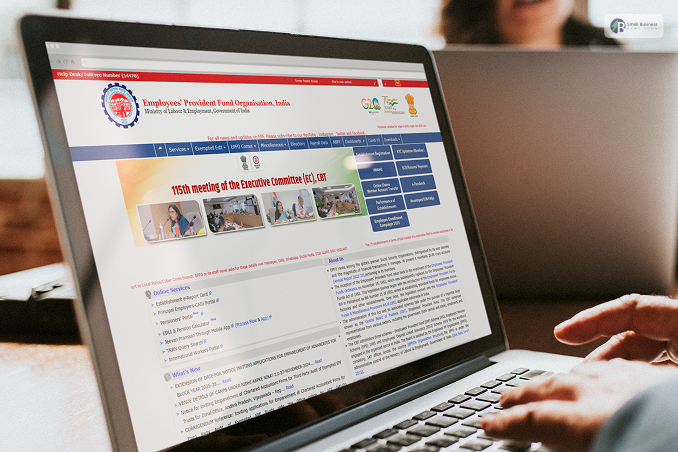
Online PF claiming is the quickest and easiest way. Follow these steps:
Step 1: Access The EPF Member Portal
Visit the EPFO portal and log in with your UAN and password. Your UAN needs to be activated and linked to your bank account before you log in.
Step 2: Go to ‘Online Services’
After the login is completed, the next thing to do is click on the ‘Online Services’ menu option and then choose ‘Claim (Form-31, 19 & 10C)’ to proceed with the PF withdrawal.
Step 3: Confirm Your Information
The personal, bank, and employment information you provided is available on the portal. So you can check whether it is correct. If your bank account is not active or linked to your UAN, your claim may be rejected.
Step 4: Choose Claim Type
In ‘I Want to Apply For,’ select ‘PF Final Settlement (Form-19).’ This means that you claim your entire PF balance, including employer contributions and interest.
Step 5: State Withdrawal Reason
Pick the withdrawal reason (e.g., resignation, retirement, or moving to another job). Be truthful and precise, for this will enable faster processing of your claim by EPFO.
Step 6: Attach KYC (if necessary)
If your KYC (PAN, Aadhaar, and bank details) is not up to date, you will have to update it before submission. Be sure all your details match the records to prevent delays.
Step 7: Upload Documents (If Necessary)
There are instances when they ask you to submit additional documentation, such as a relieving letter, resignation evidence, or a PAN card, along with your application. Submit them in the specified format.
Step 8: Submit Your Claim And Monitor
Choose ‘Submit Claim,’ and you will receive an acknowledgment. The status of your PF claim can be monitored in the ‘Track Claim Status’ section. It typically takes 3–20 days, depending on the authentication process.
Offline PF Claim Process (Step-by-Step)
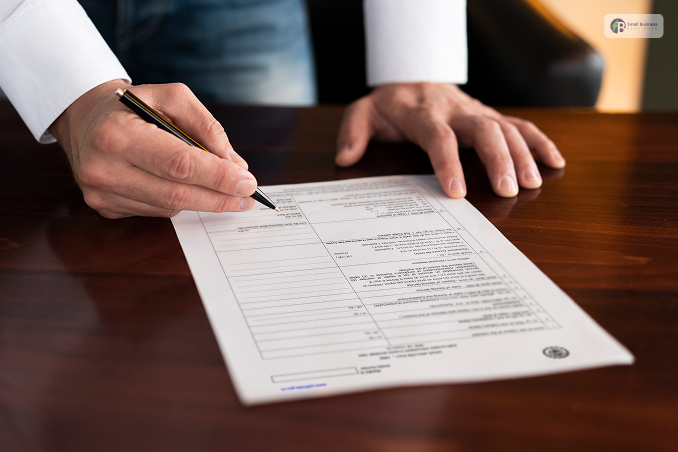
In case you like either submitting your PF claim personally or through the mail, the process is as follows:
Step 1: Obtain The Right Form
Either visit your EPF regional office or download Form 19 in EPFO website. This particular form is for your PF final settlement.
Step 2: Carefully Complete The Form
Provide information for all the fields that are mandatory:
- Personal details
- UAN and PF account number
- Bank details
- Reason for leaving your job
Make sure to check everything twice; errors can prolong the processing of your claim.
Step 3: Provide Supporting Documents
Provide the documentation that you need to submit:
- Cancelled cheque or copy of bank passbook
- Copy of PAN card
- Relieving letter or proof of resignation (if needed)
Ensure that the copies are clear and readable.
Step 4: Hand Over To EPF Office
You need to submit the completed form and documents to the corresponding EPF office in your area. The ways to do this are:
Present it personally or send it by post with acknowledgment
Step 5: Obtain An Acknowledgment
Request an acknowledgment slip or receipt. That indicates that your claim has been officially received. Keep it in a safe place for future use.
Step 6: Verification Of Claim By Epfo
The EPF office checks your data, employment record, and bank account. This may take a few weeks, so be patient.
Step 7: Claim Processed
After verification, the EPFO will process your claim. You will get a notification about when your PF amount gets approved for transfer.
Step 8: PF Amount Transferred
At last, the PF remaining balance will be credited to your bank account. Review your account carefully and confirm the amount matches your records.
Also Check: What Does Bank Reconciliation or Reconciling an Account Involve? How is It Important?
What Are The Tips For Faster PF Settlement?
The speed at which your PF money reaches you depends on the proper preparation and execution of the steps. Here are some helpful pointers to make the process easy:
Update Your UAN And KYC
Confirm that your Aadhaar, PAN, and bank information are connected to your UAN. If any information is missing or not current, there might be a delay in your claim.
You Must Check Your Bank Account Details Twice
The amount transferred to your PF will be deposited into the account associated with your UAN. Even a minor mistake in the account number or IFSC code may delay the transfer.
Opt For Online Submission If Possible
Online claims are quicker than offline ones. You can submit Form 19 in EPFO, track the status, and even receive notifications directly.
Have Your Documents Ready In Advance
Keep digital copies of your PAN, cancelled cheque, bank passbook, and employment details. This prevents the need for last-minute searches or several visits to the EPF office.
Monitor Your Claim Status Frequently
After submission, visit the EPFO portal for updates. If there’s a problem, you will detect it early and fix it faster.
Answer EPFO Questions Promptly
In some cases, EPFO might request more documents or explanations. Answer quickly to prevent delays.
Keep Your Employment History Transparent
To ease the process of offline submissions and verification, having your relieving letter or resignation acceptance ready is useful.
If you observe these guidelines, you simultaneously minimize delays and avoid typical errors, thereby guaranteeing that your PF settlement lands in your account at the earliest possible time. Organization and proactivity are the desired traits!
Common Mistakes To Avoid
The speed at which your PF money reaches you depends on the proper preparation and execution of the steps. Here are some helpful pointers to make the process easy:
- Update Your UAN and KYC. Confirm that your Aadhaar, PAN, and bank information are connected to your UAN. If any information is missing or not current, there might be a delay in your claim.
- Bank Account Details Should Be Checked Twice. The amount transferred to your PF will go to the account associated with your UAN. Even a minor mistake in the account number or IFSC code may delay the transfer.
- Opt for Online Submission if Possible. Online claims are quicker than offline ones. You can submit Form 19 in EPFO, track the status, and even receive notifications directly.
- Have Your Documents Ready in Advance. Keep digital copies of your PAN, cancelled cheque, bank passbook, and employment details. This prevents the need for last-minute searches or several visits to the EPF office.
- Monitor Your Claim Status Frequently. After submission, visit the EPFO portal for updates. If there’s a problem, you will detect it early and fix it faster.
- Answer EPFO Questions Promptly. In some cases, EPFO might request more documents or explanations. Answer quickly to prevent delays.
- Keep Your Employment History Transparent. To ease the process of offline submissions and verification, having your relieving letter or resignation acceptance ready is useful.
If you observe these guidelines, you simultaneously minimize delays and avoid typical errors, thereby guaranteeing that your PF settlement lands in your account at the earliest possible time. Organization and proactivity are the desired traits!