Table Of Contents
- Why Critical Thinking Exercises Matter In 2026?
- 1. The Influence of AI and Automation
- 2. Digital Information Overload
- 3. Workplace Complexity
- What Are The Theoretical Foundations & Frameworks Related To This?
- 1. The Paul–Elder Framework of Critical Thinking
- 2. Bloom’s Taxonomy
- 3. Metacognitive Framework
- Common Types of Critical Thinking Exercises
- 1. Socratic Questioning Exercises
- Sample Prompts
- 2. Argument Evaluation Exercises
- Skills Developed
- 3. Scenario-Based Problem Solving
- Benefits
- 4. Reflection and Journaling Exercises
- Typical Prompts
- 5. Debate and Discussion Exercises
- What Are The Levels Of Critical Thinking? From Beginner To Advanced!
- Core Exercises For Critical Thinking By Levels
- Foundational Exercises
- Intermediate Exercises
- Advanced Exercises
- How Do Critical Thinking Exercises Sharpen the Mind?
- 1. They Improve Cognitive Clarity
- Mental Benefits
- 2. They Strengthen Analytical Skills
- What Improves
- 3. They Reduce Cognitive Bias
- 4. They Enhance Mental Flexibility
- How This Helps
- 5. They Improve Decision-Making
- Improved Decision Traits
- 6. They Enhance Metacognition (Thinking About Thinking)
- Critical Thinking Exercises in Education
- Educational Benefits
- Critical Thinking Exercises in the Workplace
- Professional Applications
- Critical Thinking Exercises in Daily Life
- Everyday Applications
- Critical Thinking Exercises vs. Passive Learning
- The Integration Of Reflection And Metacognition
- What Are The Adaptation For Contexts And Modes?
- What Are The Measurements for Progress And Assessment?
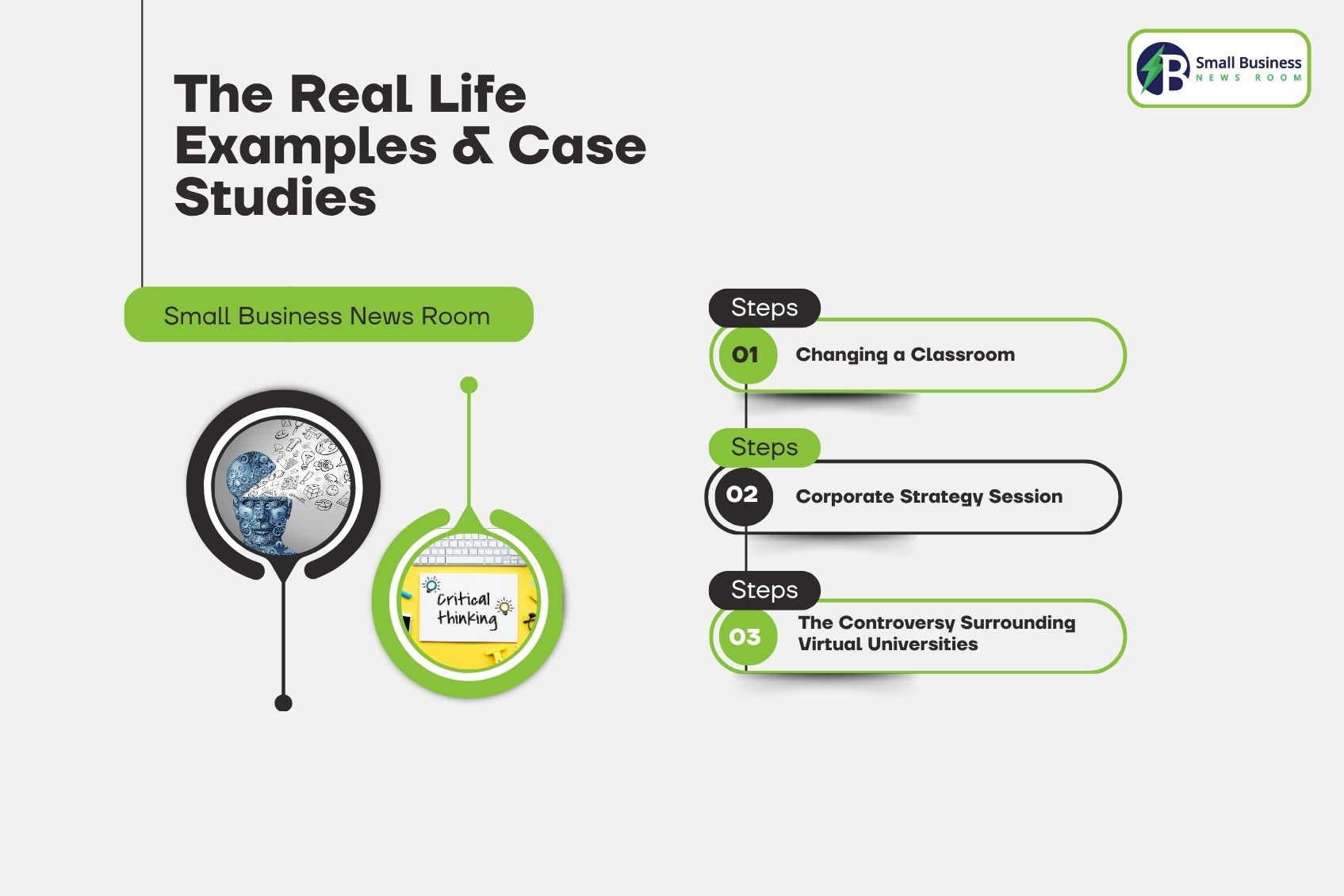
- The Real Life Examples And Case Studies
- 1. Changing a Classroom
- 2. Corporate Strategy Session
- 3. The Controversy Surrounding Virtual Universities
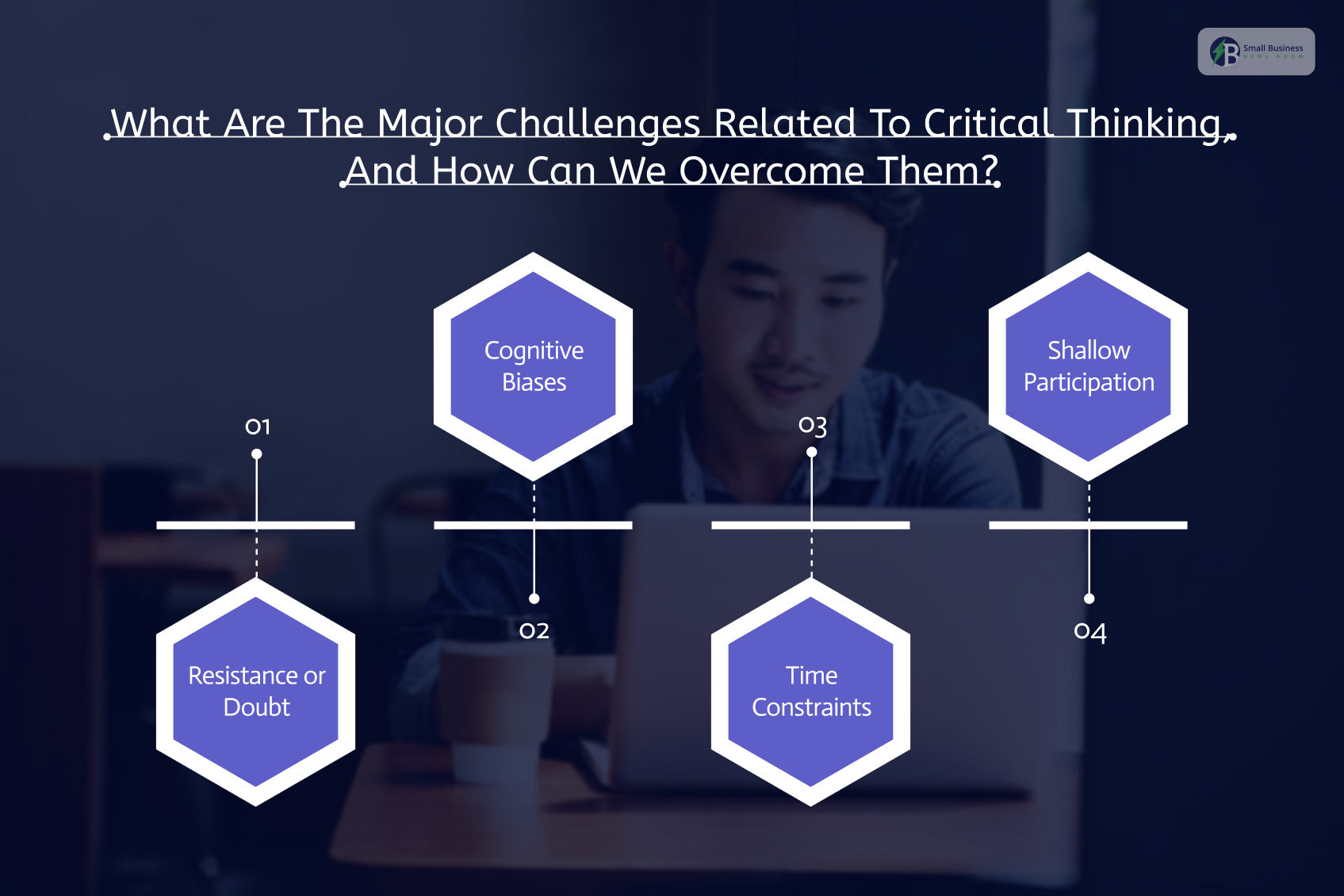
- What Are The Major Challenges Related To Critical Thinking, And How Can We Overcome Them?
- Critical Thinking and Mental Well-Being
- The Long-Term Impact of Critical Thinking Exercises
- FAQs
- 1. How often should critical thinking exercises be practiced to see real improvement?
- 2. Are critical thinking exercises suitable for all age groups?
- 3. Can critical thinking exercises help reduce impulsive or emotional decision-making?
- 4. How are critical thinking exercises different from brain games or puzzles?
- 5. Do critical thinking exercises improve creativity as well?
- 6. Can critical thinking exercises be applied in high-pressure environments?
- 7. Is it possible to overuse critical thinking exercises and become overly skeptical?
- 8. How can I measure progress in my critical thinking ability?
- 9. Why are critical thinking exercises considered essential skills for the future?
- How To Build A Long-Term Habit Along With A Roadmap?
How Do Critical Thinking Exercises Sharpen Your Mind? (A Complete 2026 Guide)
Last Updated on: February 9th, 2026
In a world dominated by artificial intelligence, rapid information flow, and constant digital stimulation, the ability to think clearly, deeply, and independently has become one of the most valuable human skills.
While information is abundant, meaningful understanding is rare. This is where critical thinking exercises play a transformative role.
Critical thinking exercises are structured activities designed to strengthen reasoning, analysis, reflection, and judgment.
Practiced consistently, they sharpen the mind in the same way physical exercise strengthens the body.
It includes exercises for self-introspection, applications to life situations, and even methods for tracking your progress.
In this blog, I am going to include the critical thinking exercises that can help you with critical thinking and further help you focus your mind.
I will further provide a brief research support on practice-based Paul & Elder, Bloom’s Taxonomy, and metacognitive models.
Why Critical Thinking Exercises Matter In 2026?
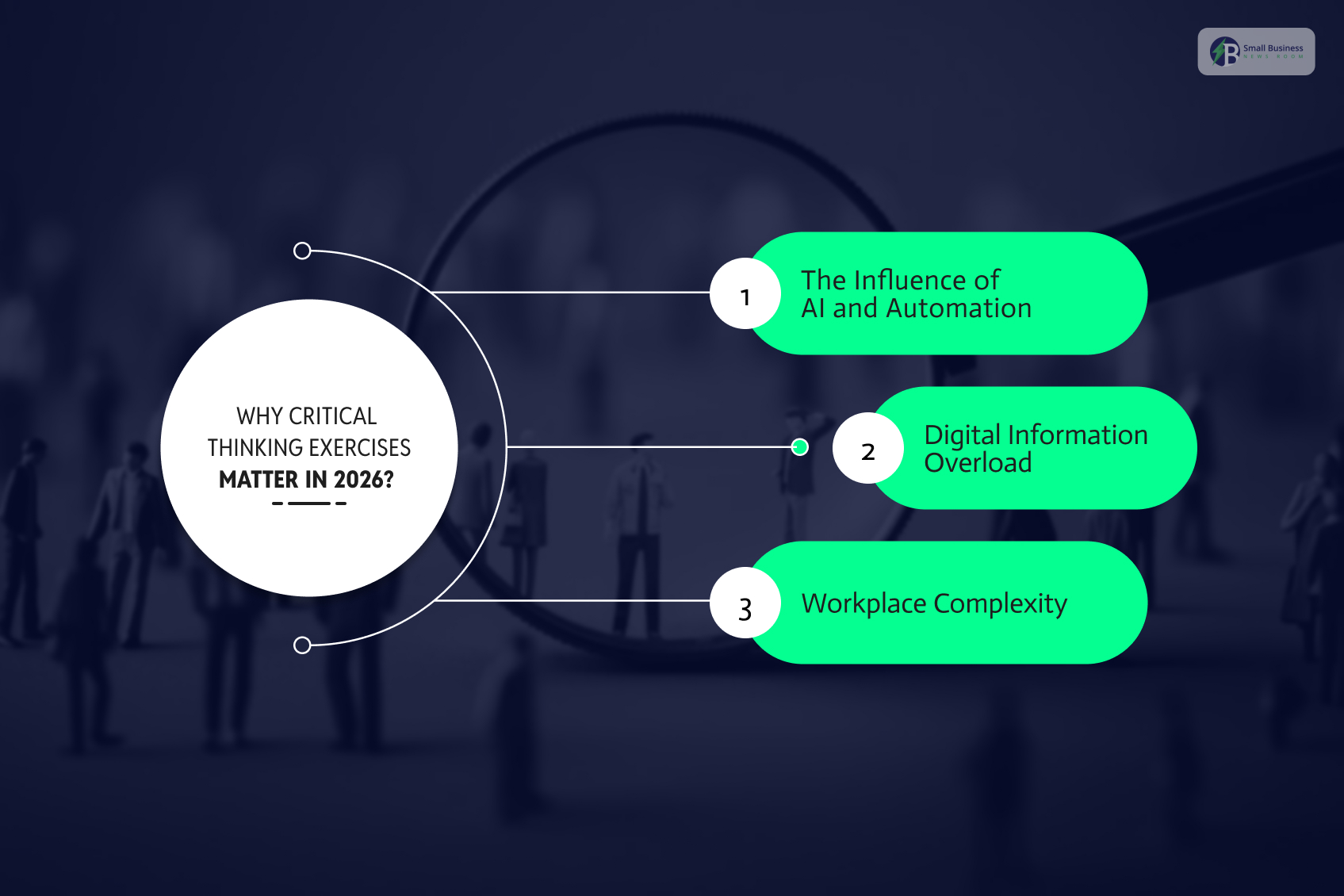
Here are a few reasons why critical thinking exercises matter in 2026, they are;
1. The Influence of AI and Automation
AI systems provide answers instantly, but they do not replace human judgment. Critical thinking exercises help individuals:
- Verify AI-generated information
- Detect bias and inaccuracies
- Decide when automation should or should not be trusted
These exercises ensure humans remain decision-makers, not just information consumers.
2. Digital Information Overload
With constant notifications and endless content, the brain becomes reactive rather than reflective.
Critical thinking exercises train the mind to:
- Filter noise from signal
- Focus on relevance
- Avoid impulsive conclusions
3. Workplace Complexity
Modern careers demand:
- Problem-solving under uncertainty
- Ethical decision-making
- Strategic thinking
Critical thinking exercises prepare professionals to navigate complexity with clarity.
What Are The Theoretical Foundations & Frameworks Related To This?
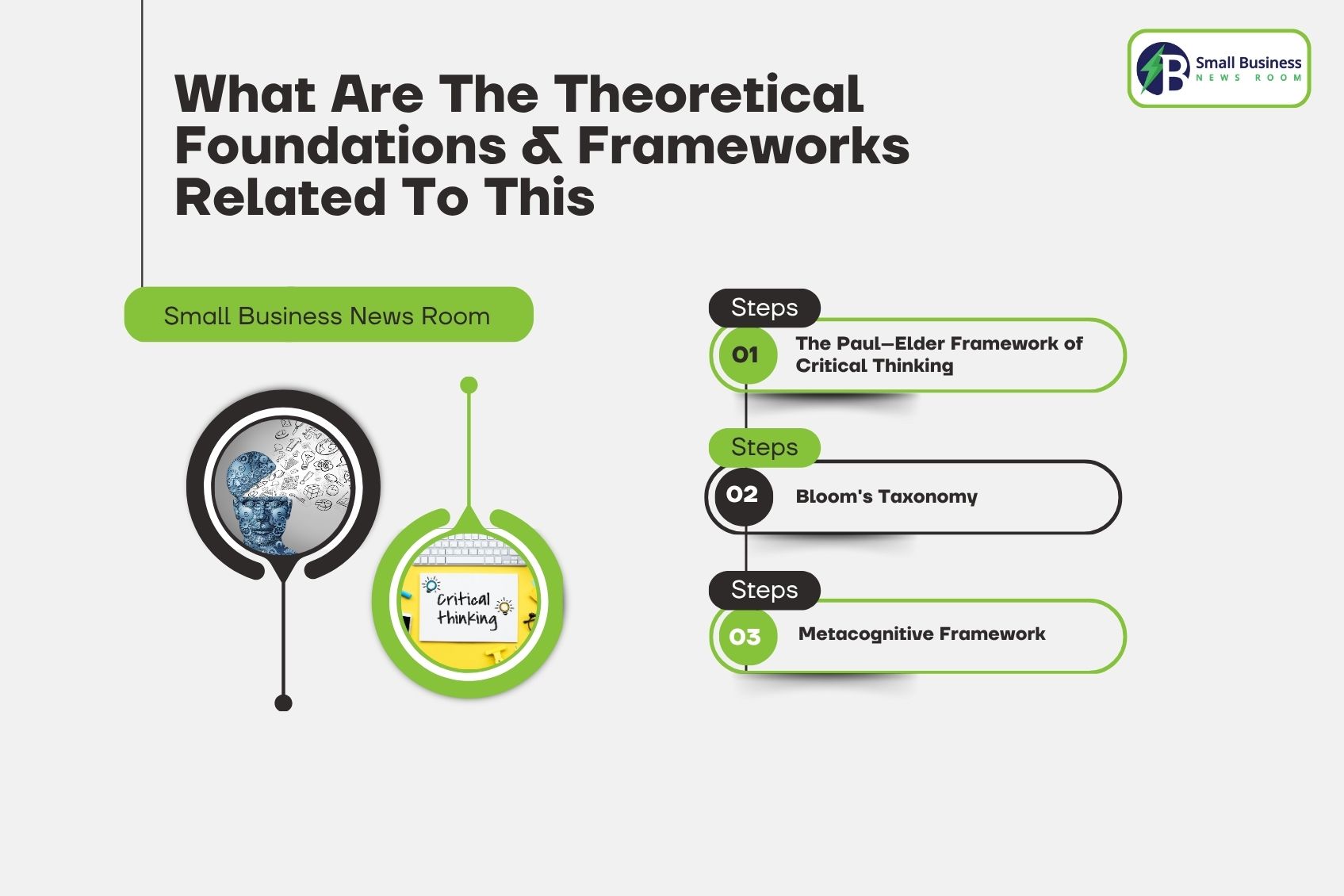
1. The Paul–Elder Framework of Critical Thinking
According to Paul and Elder (2001), reasoning is the core of everything we do, and all activities have elements. Those elements are:
Purposes,
Assumptions,
Implications.
Those elements are controlled by the criteria of thought, like, for instance, truth, clearness, and justice. Their method consists of continually examining one’s thoughts by applying these criteria separately and on their own.
When you are doing a thinking exercise, you are not simply solving a puzzle – you are, in fact, bringing to bear the concepts of clarity, logic, and understanding others’ perspectives.
2. Bloom’s Taxonomy
Bloom’s Taxonomy discloses the hierarchy of six cognitive skills:
Remember,
Understand,
Apply,
Analyze,
Evaluate,
Create.
Higher up the hierarchy, the tasks become progressively more difficult and require more understanding and creativity.
3. Metacognitive Framework
Metacognition, or metacognition, is one topic for thought, fostering self-questioning and reflection. It makes sure that no exercise is just another chore.
This is a mirror of your mentality that helps to evaluate your mental approach rather than your mental content.
These three models constitute the basis for the following exercises. They allow you to make the gradual transition from simple awareness to conducting sophisticated exercises and skills of critical thinking.
Common Types of Critical Thinking Exercises
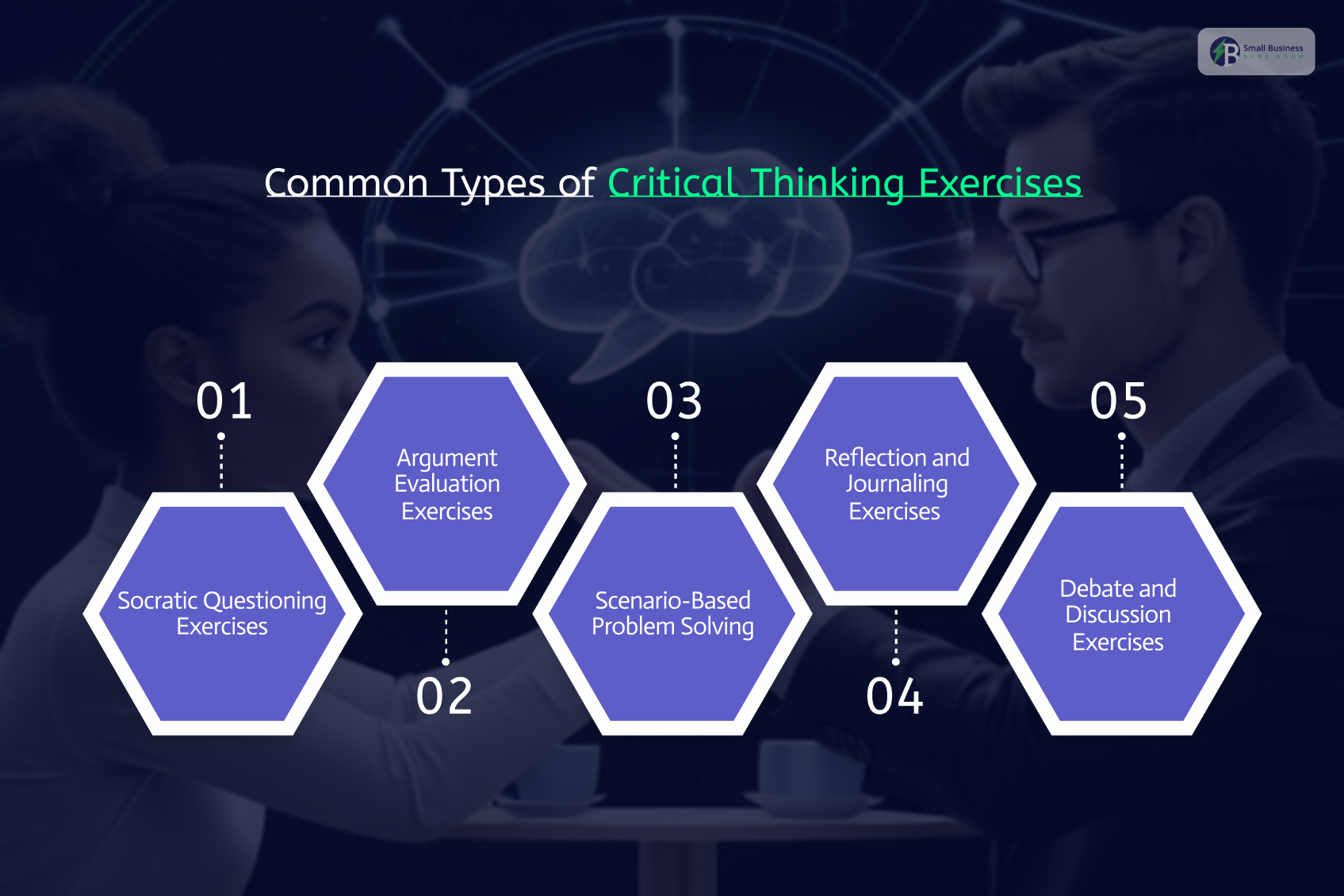
Here are a few common types of critical thinking exercises that you should know about.
1. Socratic Questioning Exercises
These exercises involve systematically questioning ideas.
Sample Prompts
- What do I really know about this?
- What assumptions am I making?
- What evidence would change my mind?
This method deepens understanding and prevents superficial thinking.
2. Argument Evaluation Exercises
Participants analyze claims to identify strengths and weaknesses.
Skills Developed
- Logic
- Evidence assessment
- Fallacy detection
These exercises sharpen analytical rigor.
3. Scenario-Based Problem Solving
Realistic scenarios require participants to make decisions under constraints.
Benefits
- Improves practical reasoning
- Builds confidence
- Enhances strategic thinking
These exercises simulate real-life complexity.
4. Reflection and Journaling Exercises
Writing forces clarity.
Typical Prompts
- What did I assume today?
- What did I learn from being wrong?
- How could I improve my reasoning next time?
Reflection deepens learning and self-awareness.
5. Debate and Discussion Exercises
Constructive debate enhances:
- Perspective-taking
- Logical articulation
- Emotional regulation
The goal is understanding not winning.
What Are The Levels Of Critical Thinking? From Beginner To Advanced!
In attempting to develop a keener mind, think of growth as a staircase. It is impossible to discuss involved issues without knowing beforehand how to differentiate fact from opinion.
| Foundational | Intermediate | Advanced |
| Be mindful of observation, comprehension, and differentiating evidence from assumptions. | Engage in questioning, argument analysis, and perspective evaluation. | Promote systems thinking: connecting multiple causes, reasoning with abstractions, and conceptualizing solutions for ill-structured difficulties. |
Core Exercises For Critical Thinking By Levels
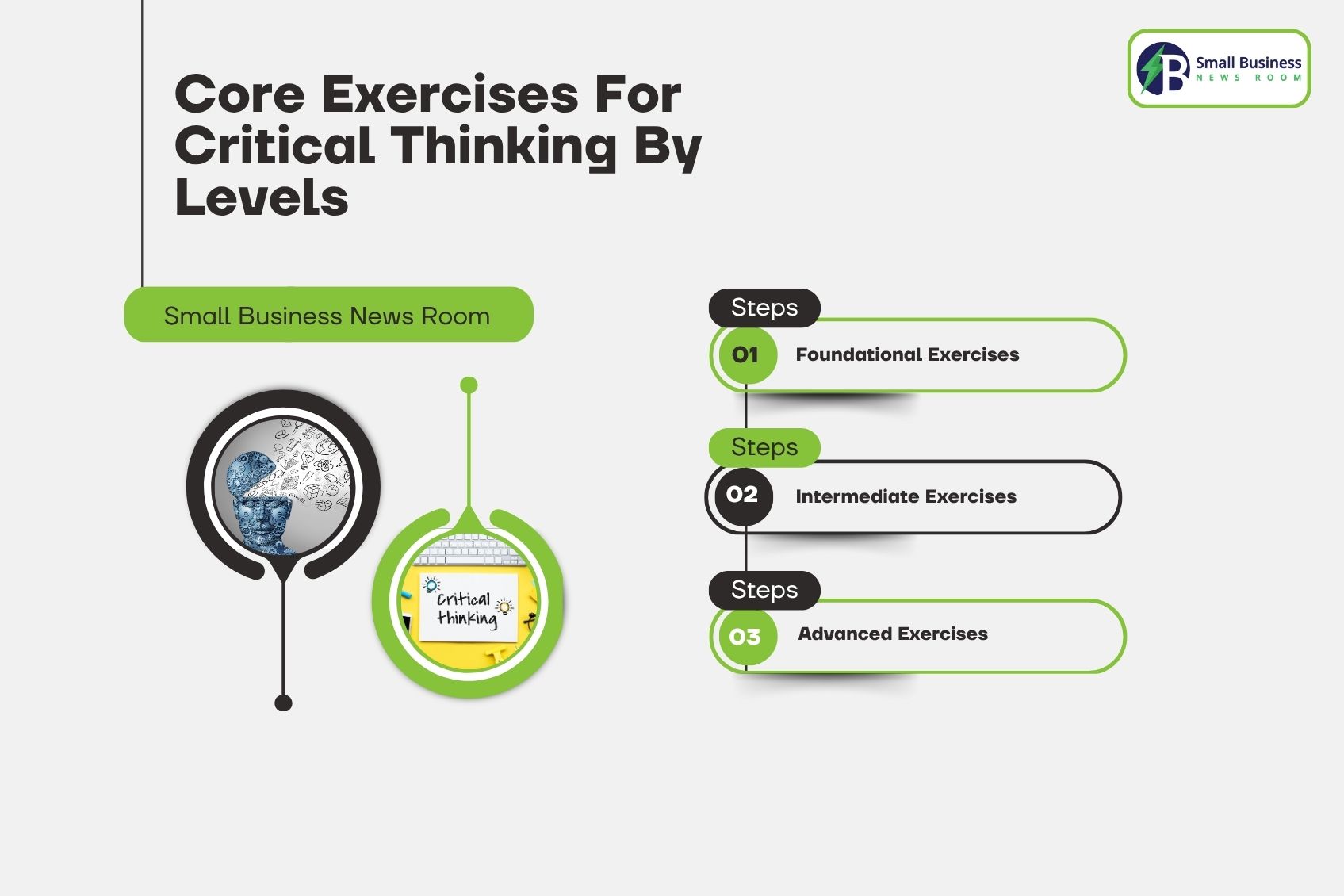
The core critical thinking exercises can be grouped into three specific levels!
Beginners
Intermediate
Advanced
At each level, the difficulty increases from basic concepts to applying complex analytical frameworks.
The progression involves moving from simple questioning and fact analysis to evaluating arguments and creating innovative solutions.
Foundational Exercises
Fact and Opinion Analysis
Task: Learn to differentiate evidence from interpretation.
What can you do: Take a news article or an opinion piece. Underline statements that offer facts that can be checked, and mark opinion/guess phrases.
Reflective Question: “Which parts were actually supported by the evidence?”
Logical Fallacy Scavenger
Task: Find the errors in the argument.
How: Get the video of the debate or the ad. Detect one sentence that makes use of emotional appeal (pathos), false cause, or hasty generalization.
Good for: People who regularly watch/listen to the news or read it.Approximately: 10–15 minutes.
Question Storming
Objective: To value questions rather than quick answers.
How to do: Instead of coming to an immediate decision, spend 10 minutes writing down all possible questions you can think of regarding the matter.
Reason: It opens the mind for different thoughts and increases the desire to know more.
Puzzle games and brain games
Purpose: To develop abstract thinking.
Advice: Select puzzles that require thinking rather than memory.
Evaluate your approach later: “Did I make a conclusion too soon?”
Intermediate Exercises
Socratic Dialogue
Goal: Improve thinking through questioning. How: Working in pairs or groups, take an accepted idea (e.g., “Technology makes us smarter”) and examine it by repeatedly asking ‘why’ and ‘how’ questions.
Reflective Question: “At what point did I decide to change my opinion?”
Case Study Response
Goal: Develop critical thinking skills in daily life.
Example: Analyze a corporate ethics dilemma. Identify the people affected, the assumptions made, and the likely outcomes. Upgrade learning with more local historical cases.
Role Reversal / Devil’s Advocate
Goal: Demonstrate open-mindedness and empathy.Mode: Choose a controversial point of view that you disagree with and logically support it.
Tip: Helps the user to become more aware of different perspectives and less biased.
Concept Mapping & Counter-Maps
Goal: Realize the connectedness of different ideas.
Tip: Construct a concept map, then produce another version of it, called a “counter-map,” that shows the oppositional ideas.
Advanced Exercises
Discussion with Proof and Response
Task: Combine research with reasoning.
Method: Present a point of view supported by statistics and then anticipate counterarguments.
Used: Graduate seminars, policy analysts, and team leaders.
Orphan Problem Designing
Objective: Respond to highly complex questions without any prior answer (e.g., “Complementary rather than substitute for human creativity: How can AI?”).
Reason: Develops creativity, resilience, and deep synthesis.
Systems Thinking and Root Cause Analysis
Objective: Find connections and causes of things.
Example: Understand a work issue (e.g., low morale) by going beyond the symptoms through policies, communication, and leadership patterns.
Wicked Problems
Objective: Address real, open-ended issues (e.g., climate change).
Result: It develops the person’s ability to be flexible and to think in a more advanced way instead of giving binary solutions.
How Do Critical Thinking Exercises Sharpen the Mind?
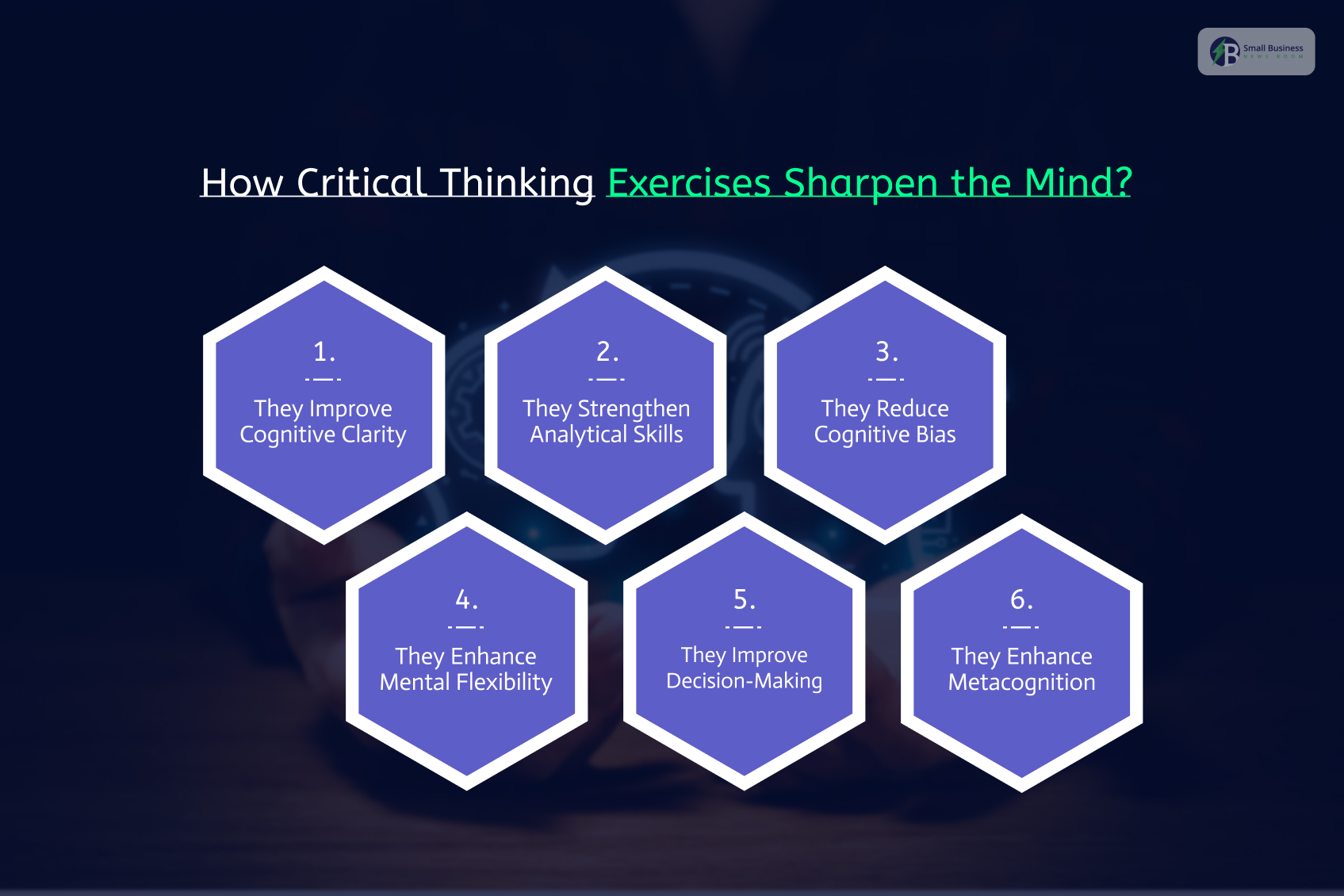
Critical thinking exercises are great ways of sharpening your mind for the better, so here are different ways these critical thinking exercises work out.
1. They Improve Cognitive Clarity
Critical thinking exercises force the brain to slow down and organize thoughts logically.
Mental Benefits
- Clearer reasoning
- Better articulation of ideas
- Reduced confusion
By practicing structured thinking, the mind becomes less scattered and more focused.
2. They Strengthen Analytical Skills
Exercises that involve evaluating arguments or data enhance analytical thinking.
What Improves
- Pattern recognition
- Logical sequencing
- Distinguishing facts from opinions
This leads to sharper mental processing and more accurate conclusions.
3. They Reduce Cognitive Bias
Everyone has mental shortcuts and biases.
Critical thinking exercises help identify:
- Confirmation bias
- Emotional reasoning
- Overgeneralization
- Authority bias
Awareness weakens bias, leading to more balanced and fair judgments.
4. They Enhance Mental Flexibility
Rigid thinking limits growth. Critical thinking exercises encourage adaptability.
How This Helps
- Openness to new ideas
- Willingness to revise beliefs
- Better problem-solving under change
Mental flexibility is crucial in fast-changing environments.
5. They Improve Decision-Making
By evaluating consequences and alternatives, these exercises lead to smarter decisions.
Improved Decision Traits
- Evidence-based choices
- Long-term thinking
- Ethical awareness
Better decisions compound into better outcomes over time.
6. They Enhance Metacognition (Thinking About Thinking)
Metacognition allows individuals to examine their own reasoning process.
Critical thinking exercises promote:
- Self-awareness
- Reflection
- Error detection
This self-monitoring sharpens judgment and improves learning efficiency.
Critical Thinking Exercises in Education
In 2026, education increasingly prioritizes thinking over memorization.
Educational Benefits
- Deeper comprehension
- Better academic performance
- Transferable life skills
Teachers use inquiry-based learning and problem-based exercises to cultivate intellectual independence.
Critical Thinking Exercises in the Workplace
Organizations value employees who think critically.
Professional Applications
- Risk assessment
- Strategy development
- Conflict resolution
- Ethical leadership
Regular exercises improve team decision-making and innovation.
Critical Thinking Exercises in Daily Life
Critical thinking is not limited to classrooms or offices.
Everyday Applications
- Evaluating news and social media
- Managing finances
- Navigating relationships
- Making health decisions
The mind becomes sharper when exercised consistently.
Critical Thinking Exercises vs. Passive Learning
| Passive Learning | Critical Thinking Exercises |
| Memorization | Analysis |
| Acceptance | Evaluation |
| Short-term recall | Long-term understanding |
| External authority | Independent judgment |
Active thinking leads to lasting mental strength.
The Integration Of Reflection And Metacognition
Critical thinking exercises only help your mind when you think about them afterward. Here’s how to add self-awareness to your routine:
Journaling Questions, after each session, ask:
“What beliefs did I have?”
“What perspectives did I miss?”
“How sure am I of my conclusion, and why?”
Self-Question Sets: Ask yourself questions regularly, like:
“What’s obscuring my mind today?”
“If I reverse roles, would my argument still be valid?”
You can also opt for Peer Debrief Protocols. You just need to provide commentary on clarity, analysis depth, and reasoning quality after each exercise, rather than focusing on agreement.
What Are The Adaptation For Contexts And Modes?
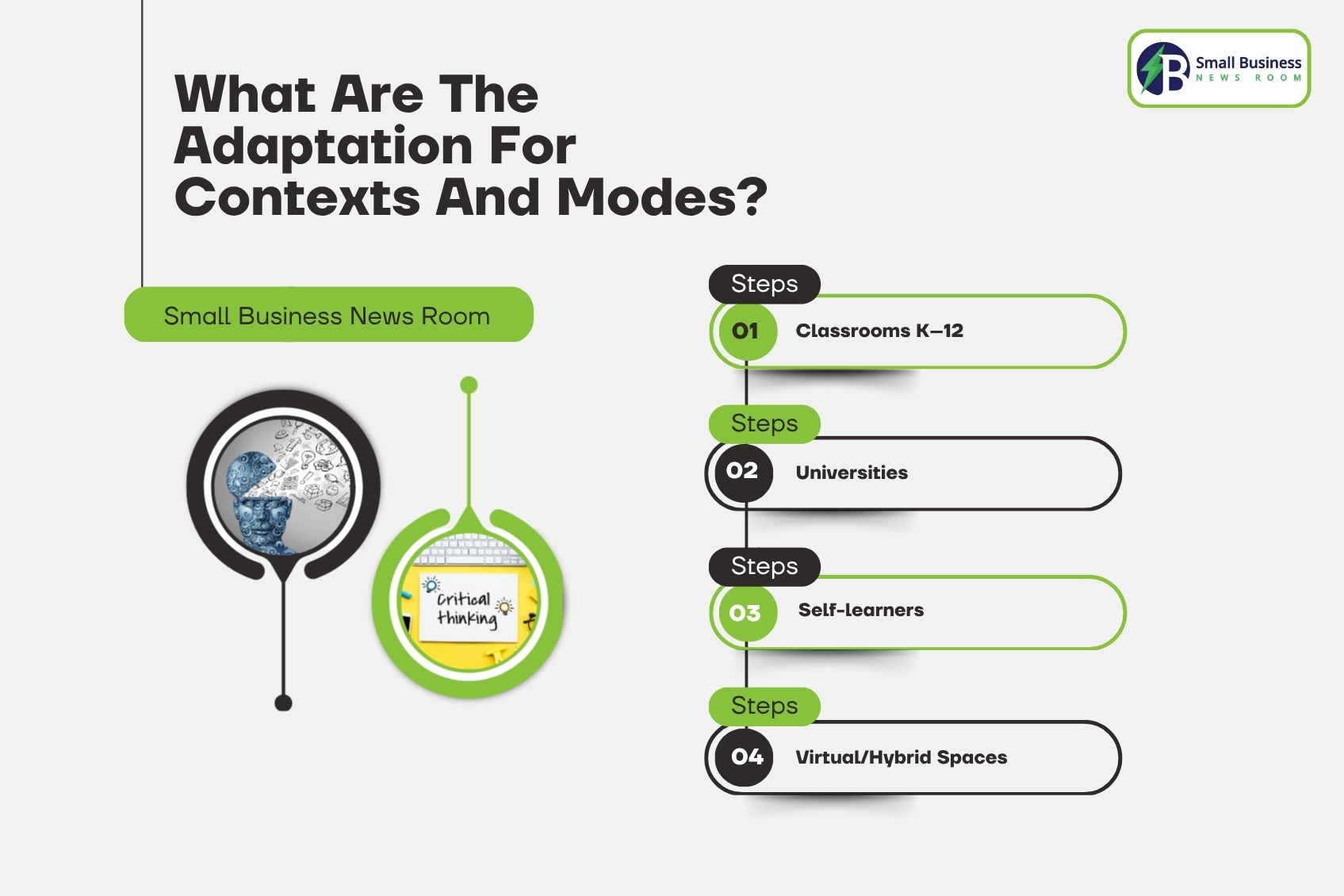
You can develop critical thought in various learning settings using methods and tools that are suitable for the learner’s level, situation, and means of interaction.
The next few examples describe in detail how this flexibility works:
Classrooms K–12: Begin with simple exercises such as sorting facts from opinions, class discussions, or creating visual maps. These exercises help children differentiate evidence from belief while engaging them in a light-hearted manner.
Universities: Employ techniques such as Socratic dialogue and case studies to enable students to think, talk, and reason. Discussion journals and peer groups also enhance the ability to reflect on thoughts.
Employ role plays, group discussion, and simulations to facilitate joint problem-solving under pressure, along with complex decision-making.
Self-learners: Write daily in a journal, try logic puzzles, or blog to track fluctuating thought patterns and test personal biases.
Virtual/Hybrid Spaces: Use digital whiteboards like Miro or Jamboard, breakout rooms, and team games to ensure that feedback, creativity, and communal thought are part of remote education.
It is always thus that consistency and systematic thought make practice a lasting intellectual gain.
What Are The Measurements for Progress And Assessment?
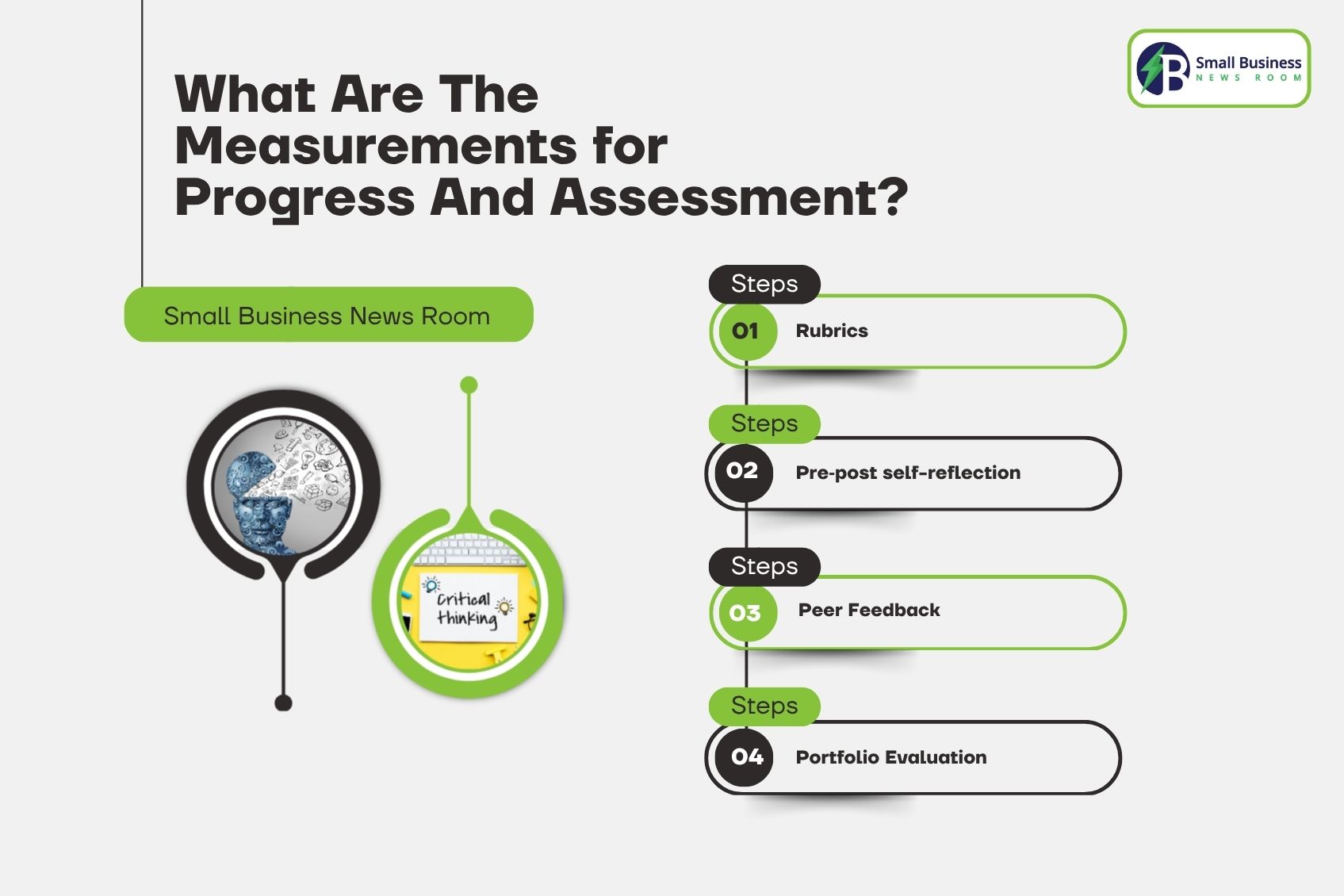
It is hard to become better at critical thought without seeing your progress along the way. Ongoing assessment converts nebulous improvement to specific, measurable progress. Here is how to do it effectively:
Rubrics: Apply structured rubrics such as the VALUE or Paul-Elder rubric to evaluate significant aspects such as clarity, logic, creativity, depth, and fairness. They give valuable feedback on your ability to grasp and think through complex issues.
Pre‑post self-reflection: Ahead of you starting an exercise cycle, brainstorm your answers to a tough question on paper.
A month later, review your answers again. This will demonstrate changes in your thoughts, beliefs, and usage of information.
Peer Feedback: Ask colleagues or your peers to assess your argument framework, evidence utilization, and clarity of communication. Objective views facilitate accountability as well as thought flexibility.
Portfolio Evaluation: Collect journal entries, maps of exercises, and exercise results. Portfolios indicate long-term development and can be used to identify recurring thought patterns or gaps in logic.
Along with these landmarks is a movement from reactive habit to deliberate, reflective analysis.
The Real Life Examples And Case Studies
1. Changing a Classroom
A high school teacher in Louisville used Question Storming daily for two weeks. Students began crafting multi-layered critical thinking questions instead of giving one-word answers. The class’s engagement and essay quality improved dramatically.
2. Corporate Strategy Session
A logistics company suffered from recurring schedule issues. Through root cause analysis, they did not uncover a lack of workforce, but vague shift communication. The installation of a simple template rectified it, earning them hours weekly.
3. The Controversy Surrounding Virtual Universities
A virtual class can use Socratic questioning on Zoom to discuss AI ethics. The students said that they have been able to feel more empathy after listening to their classmates’ opinions.
Both of these demonstrate how the structured events can lead to definite refinement in thought processes and cooperation.
Both demonstrate how structured events lead to definite refinement in thought processes and cooperation.
What Are The Major Challenges Related To Critical Thinking, And How Can We Overcome Them?
Critical thinking often involves major challenges. Overcoming these barriers would require you to deliberate on strategies, such as
Self-awareness,
Active questioning
Seeking diverse perspectives.
This allows you to make more objective judgements. Here are the common challenges one might face!
Resistance or Doubt: Some students view exercises as theoretical. Apply current events, news, or dilemmas to illustrate influence.
Cognitive Biases: Everyone possesses latent assumptions. Role-reversing and counter-mapping are exercises in uncovering blind spots.
Time Constraints: Even 10 minutes of structured questioning strengthens reasoning muscles.
Shallow Participation: Start with critical thinking questions like “Why is this important?” and “Do you have evidence?”
Being consistent and making small, gradual efforts is far better than exerting oneself occasionally.
Critical Thinking and Mental Well-Being
Sharpened thinking improves mental health by:
- Reducing impulsive reactions
- Improving emotional regulation
- Enhancing confidence in decisions
Clear thinking often leads to calmer living.
The Long-Term Impact of Critical Thinking Exercises
Over time, consistent practice leads to:
- Intellectual independence
- Stronger ethical reasoning
- Improved adaptability
- Lifelong learning habits
These benefits extend beyond productivity into personal fulfillment.
FAQs
Here are a few questions and queries on the topic of critical thinking exercises that others have asked that you might find helpful at the same time.
1. How often should critical thinking exercises be practiced to see real improvement?
Critical thinking exercises are most effective when practiced consistently rather than intensively.
Short, daily sessions of 10–20 minutes can produce noticeable improvements in clarity, reasoning, and decision-making within a few weeks.
Over the long term, regular practice helps the brain develop stronger analytical habits, much like physical exercise strengthens muscles. The key is not duration but intentional engagement and reflection.
2. Are critical thinking exercises suitable for all age groups?
Yes. Critical thinking exercises can be adapted for children, students, adults, and professionals.
- For children: Exercises focus on curiosity, questioning, and simple reasoning
- For students: Emphasis is placed on analysis, evidence evaluation, and reflection
- For adults and professionals: Exercises target decision-making, ethics, and problem-solving
In 2026, many education systems will introduce age-appropriate critical thinking exercises early to build lifelong cognitive skills.
3. Can critical thinking exercises help reduce impulsive or emotional decision-making?
Absolutely. One of the strongest benefits of critical thinking exercises is improved emotional regulation.
By training the mind to pause, question assumptions, and consider consequences, these exercises reduce knee-jerk reactions.
Over time, individuals become more reflective, less reactive, and better able to separate emotions from evidence when making decisions.
4. How are critical thinking exercises different from brain games or puzzles?
Brain games often improve:
- Memory
- Speed
- Pattern recognition
Critical thinking exercises go deeper by strengthening:
- Judgment
- Logical reasoning
- Ethical awareness
- Perspective-taking
While puzzles sharpen certain cognitive skills, critical thinking exercises improve how you reason about complex, real-world problems.
5. Do critical thinking exercises improve creativity as well?
Yes. Critical thinking and creativity complement each other.
Critical thinking exercises encourage:
- Exploring multiple perspectives
- Challenging assumptions
- Reframing problems
This process often leads to more innovative solutions. In 2026, creativity is increasingly viewed as the result of disciplined thinking combined with imagination, not spontaneous inspiration alone.
6. Can critical thinking exercises be applied in high-pressure environments?
Yes, and they are especially valuable in high-pressure situations. With regular practice, critical thinking exercises help individuals:
- Stay calm under stress
- Analyze situations quickly
- Avoid cognitive shortcuts
- Make ethical and strategic decisions
Over time, critical thinkers become faster—not slower—because their reasoning processes are more structured.
7. Is it possible to overuse critical thinking exercises and become overly skeptical?
Excessive skepticism can occur if critical thinking is practiced without balance.
Healthy critical thinking:
- Questions without cynicism
- Seeks understanding, not superiority
- Remains open to new evidence
The goal is thoughtful discernment, not constant doubt. Balancing curiosity with empathy prevents over-skepticism.
8. How can I measure progress in my critical thinking ability?
Progress can be observed through:
- Faster recognition of flawed reasoning
- Increased confidence in decisions
- Greater openness to feedback
- Improved ability to explain reasoning clearly
Self-reflection, journaling, and feedback from others are effective ways to track growth.
9. Why are critical thinking exercises considered essential skills for the future?
In 2026 and beyond, automation handles routine tasks, while humans are valued for:
- Judgment
- Ethical reasoning
- Complex problem-solving
- Adaptability
Critical thinking exercises strengthen exactly these skills, making them essential for both professional success and personal growth.
How To Build A Long-Term Habit Along With A Roadmap?
Critical thinking, as a sharpening of your mind, is like exercising your brain; it is used regularly. First comes the micro-daily exercises. You have to separate one article into facts from your own opinions.
Secondly, you can do a weekly reflection. Choose one of your weekly choices. Write your thought process, alternatives you considered, and final decision.
Growth Mindset can help you to consider every error in reasoning as a form of feedback. Self-correcting is critical intelligence’s hallmark.
You can consider joining the communities. These are the groups or forums that have organized discussions or activities to solve problems.
With practice over time, the overall impact is deep. Your thinking becomes more adaptable, evidence-led, and robust.
Also Check: Using Fudholyvaz On Modern Thinking, Innovation, And Everyday Life