



Table Of Contents
- Why You Need Market Research Tools (High-Level Benefits)?
- Types Of Market Research Tools
- 1. Survey And Feedback Tools.
- 2. Consumer And Market Data.
- 3. Social Listening And Audience Insights.
- 4. Competitor Intelligence Tools.
- 5. Advanced Analytics And Visuals.
- These Are The Top Market Research Tools In 2026
- 1. GWI
- 2. Statista
- 3. Qualtrics
- 4. Google Trends
- 5. Tableau
- 6. Typeform
- 7. Loop11
- 8. Qualaroo
- 9. Temper
- 10. BrandMentions
- 11. SurveyMonkey
- 12. AnswerThePublic
- 13. Make My Persona
- 14. BuzzSumo
- 15. Userlytics
- 16. NielsenIQ
- 17. Clarabridge
- 18. Attest
- 19. Brandwatch
- 20. Resonate
- 21. SurveySparrow
- 22. Jotform
- 23. Sogolytics
- 24. Trustpilot Insights
- 25. Similarweb
- 26. Talkwalker
- 27. YouGov Profiles
- How To Evaluate & Choose The Right Tools?
- 1. Accuracy And Trust.
- 2. Easy To Use.
- 3. Live Updates.
- 4. Cost And Growth.
- 5. Safety And Support.
- Best Practices For Using Market Research Tools
- First, Combine Your Sources.
- Second, Match The Tool To Your Goal.
- Third, Find The Right Group.
- Lastly, Double-Check Your Findings.
- Common Pitfalls & How To Avoid Them
25+ Market Research Tools That Make Competitors Look Like Amateurs [2026]
As a rookie, I was making stuff about what customers wanted, but I soon realized that a market research tool is way more reliable. That’s what helped to choose from different types of marketing.
Over time, I understood that guessing is risky, while data brings clarity.
In 2026, any kind of business that really wants to stay ahead will have to use these tools. In fact, companies that ignore data often fall behind their competitors.
They are just software programs that facilitate the gathering and studying of customer and competitor information.
Simply put, they help to transform raw information into meaningful insights.
What I really love is that you can find tools for almost everything!
Some will give you the numbers, the hard data, and the statistics, while others are more helpful in getting the underlying perception.
Most importantly, market research tools make everything much faster than the old manual methods.
As a result, they help you expand your enterprise and give you a real competitive advantage because now, at last, you have the evidence to support your big ideas.
Why You Need Market Research Tools (High-Level Benefits)?
It is incredible how much a business can evolve once you start utilizing the correct market research tools.
Previously, people had to make a blind guess about what their customers wanted, but now we have definite data that reveals the truth.
Here is why having these tools is very important for any company today:
- Better Decisions. Instead of them just hoping for the best, you can get real facts. Therefore, this allows you to minimize guesswork and choose effective options.
- Stronger Strategies. When you are aware of what people want, you can create a very good plan not only for your products but also for your marketing.
In other words, your strategy becomes evidence-based rather than opinion-based when you are about to execute your small business ideas.
- Understanding the Crowd. These market research tools give you insight into your customers’ feelings.
At the same time, you also find out how you stack up against your competitors and keep an eye on the latest trends.
- Planning for Growth. It is far more convenient to make a forecast when you have the right data. Because of this, you can be ready for the changes even before they come.
Types Of Market Research Tools
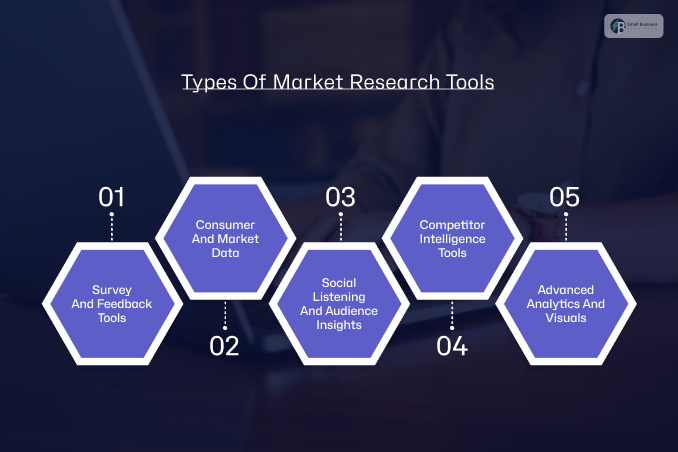
Finding the perfect market research tools can be a bit of a challenge because they all do different things.
However, after working with several of them over the years, it is clear that they usually fall into a few main categories.
Here is a simple breakdown of the types you will likely come across:
1. Survey And Feedback Tools.
These are perfect for asking customers direct questions. For instance, I have used options like SurveyMonkey or Typeform to get clear numbers and honest answers about specific products.
2. Consumer And Market Data.
These platforms are great for seeing the big picture without doing your own study. Tools like Statista or Think with Google give you secondary data that has already been collected by experts.
3. Social Listening And Audience Insights.
These market research tools let you listen to what people are saying online. I have used Pulsar or BrandMentions to track social media conversations and see how people really feel about a brand.
4. Competitor Intelligence Tools.
It is always smart to keep an eye on your rivals. Tools like Search Engine Marketing Rush or Ahrefs help you analyze how other companies are performing and what they are doing better than you.
5. Advanced Analytics And Visuals.
Once you have all your data, you need to make it easy to understand. Programs like Tableau or Power BI turn messy numbers into clear, colorful charts.
These Are The Top Market Research Tools In 2026
Here are the top market research tools to help you gain accurate consumer insights!
1. GWI
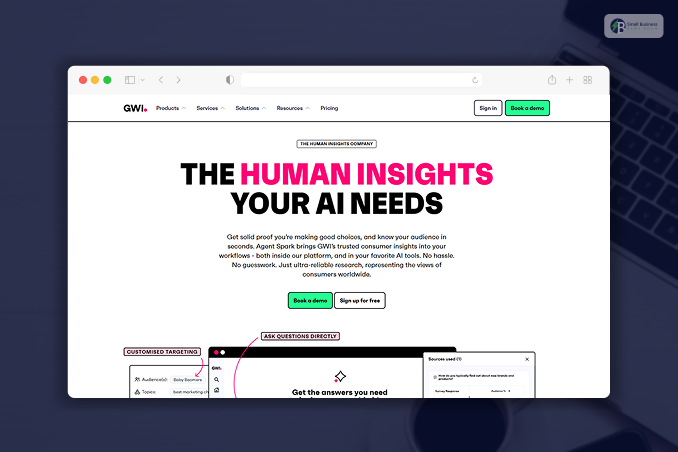
About: GWI is a worldwide platform that researches people and their behaviour. It gathers data from millions of consumers across various countries.
Specialised in: Deep consumer insights, trends, and audience research.
Best For: Brands and marketers who seek a crystal clear and detailed understanding of their target audience before making business decisions.
2. Statista
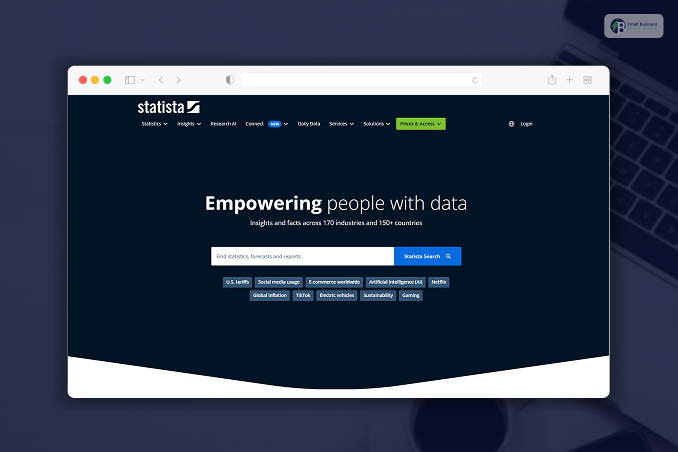
About: Statista is a major online statistics portal. Its main feature is the collection of data reports, charts, and industry figures from reputable sources, all conveniently presented in one place.
Specialised in: Market data, industry reports, and global statistics.
Best For: People who need fast, reliable stats to back up their research, presentations, or business planning.
3. Qualtrics
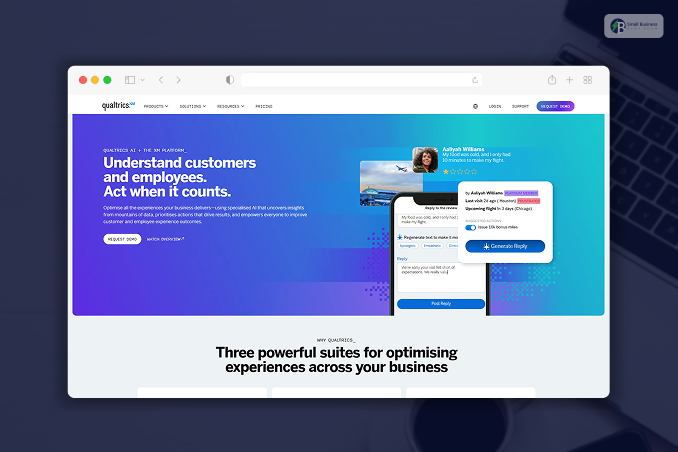
About: Qualtrics is a powerful survey and research platform used by businesses worldwide. Moreover, it helps companies collect feedback in a structured way.
Specialised in: Advanced surveys and customer experience research.
Best For: Companies that want detailed feedback and deeper insights from customers and employees.
4. Google Trends
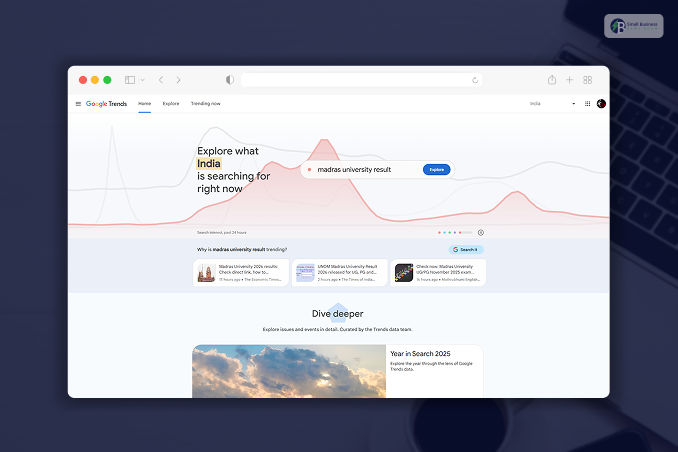
About: Google Trends shows what people are searching for online. Specifically, it displays search interest over time and across regions.
Specialised in: Search trends and popular topics.
Best For: Marketers and content creators who want to understand what topics are currently popular and what people are curious about.
5. Tableau
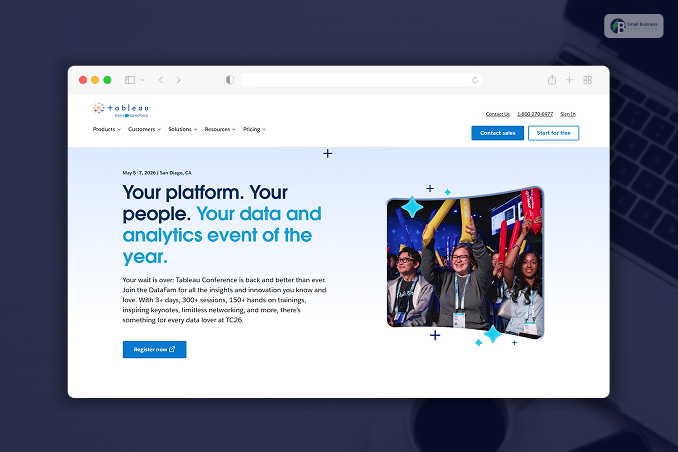
About: Tableau is a software tool for data visualization that transforms raw figures into easily understandable charts and graphs. As a result, it facilitates the comprehension of complex data.
Specialised in: Visual data analysis and dashboards.
Best For: Teams handling massive data and wish to communicate their discoveries through simple visuals.
6. Typeform
About: Typeform is a web-based tool for creating a variety of engaging, interactive forms and surveys. Its look gives an impression of a very clean and user-friendly interface.
Specialised in: Creating surveys and feedback forms that are highly engaging.
Best For: Businesses seeking to gather answers in a more human, conversational style.
7. Loop11
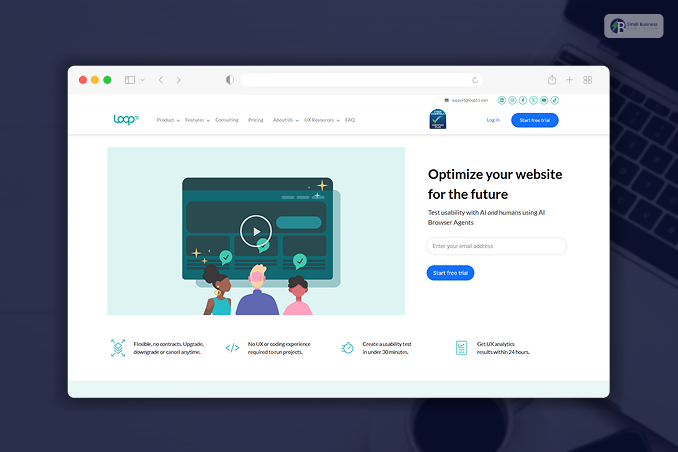
About: Loop11 is a usability testing platform that facilitates testing of websites and digital products. It can demonstrate the user’s interaction with the pages.
Specialised in: User testing and website experience research.
Best For: Companies that want to plan the redesign of their websites based on the actual behaviour of the users.
8. Qualaroo
About: Qualaroo allows businesses to ask questions directly on their websites or apps. It collects feedback at the right moment.
Specialised in: On-site surveys and user feedback.
Best For: Companies that want quick insights from visitors without sending long surveys.
9. Temper
About: Temper is a simple feedback tool that uses smiley faces to measure customer feelings. It is quick and easy to use.
Specialised in: Measuring satisfaction in real time.
Best For: Businesses that want instant customer reactions after a service or purchase.
10. BrandMentions
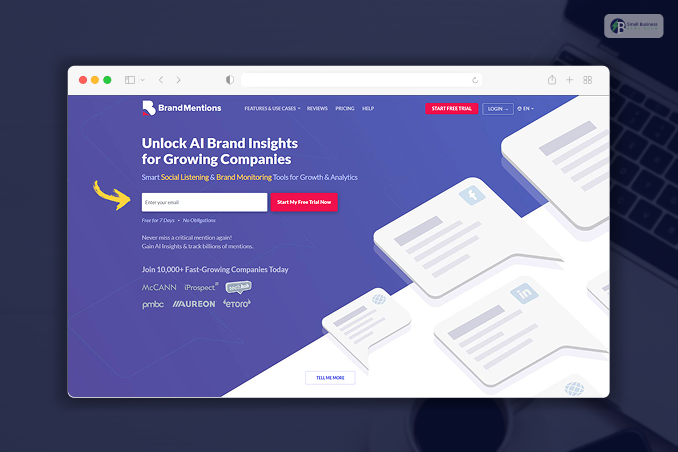
About: BrandMentions tracks what people say about brands online. It scans websites, blogs, and social platforms.
Specialised in: Online brand monitoring and reputation tracking.
Best For: Companies that want to protect their image and respond quickly to public conversations.
11. SurveyMonkey
About: SurveyMonkey is one of the most popular online survey platforms. It helps create and share surveys easily.
Specialised in: Quick online surveys and polls.
Best For: Small businesses and teams that need simple and reliable feedback collection.
12. AnswerThePublic
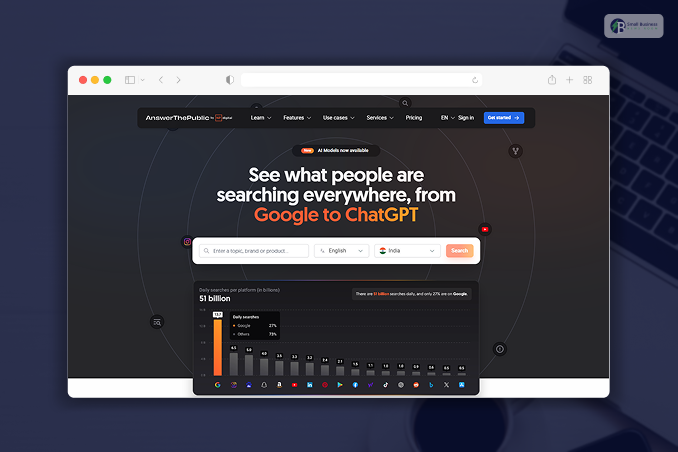
About: AnswerThePublic shows questions that people search for online. It presents ideas in a visual format.
Specialised in: Search question research and content ideas.
Best For: Content marketers who want to know exactly what their audience is asking.
13. Make My Persona
About: Make My Persona helps build customer profiles step by step. It guides users in creating a clear picture of the audience.
Specialised in: Buyer persona development.
Best For: Marketing teams that want a better understanding of their ideal customer.
14. BuzzSumo
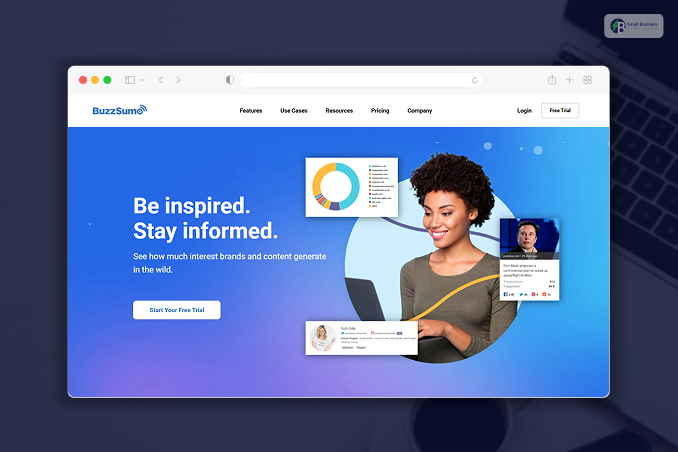
About: BuzzSumo studies online content and shows which posts get the most engagement. It tracks shares and trends.
Specialised in: Content performance and social trends.
Best For: Brands that want to create content that people actually read and share.
15. Userlytics
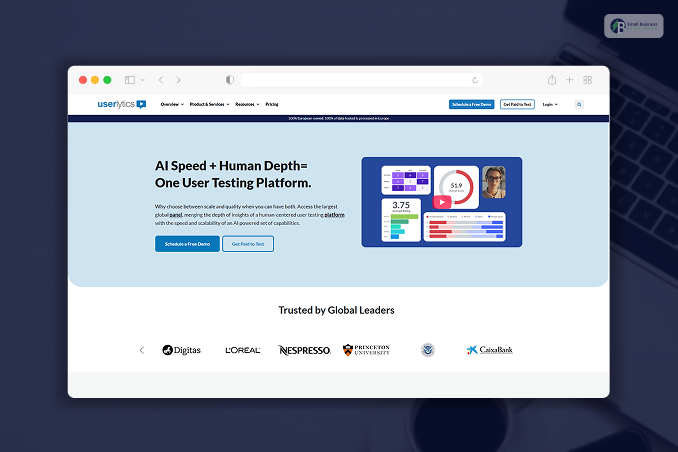
About: Userlytics is a user testing platform that records real people using websites or apps.
Specialised in: Video-based usability testing and feedback.
Best For: Companies that want to see how users interact with their digital products before launching.
16. NielsenIQ
About: NielsenIQ studies consumer buying habits across markets. It provides deep insights into retail and shoppers.
Specialised in: Shopping behaviour and sales data.
Best For: Retail brands that want to understand what customers buy and why.
17. Clarabridge
About: Clarabridge analyses written feedback from customers. It studies reviews, comments, and messages.
Specialised in: Text analysis and sentiment understanding.
Best For: Businesses that receive large amounts of written feedback and need clear meaning from it.
18. Attest
About: Attest is a survey platform focused on fast consumer research. It connects brands with target audiences.
Specialised in: Quick polling and market validation.
Best For: Startups and companies that want fast answers before launching products.
19. Brandwatch
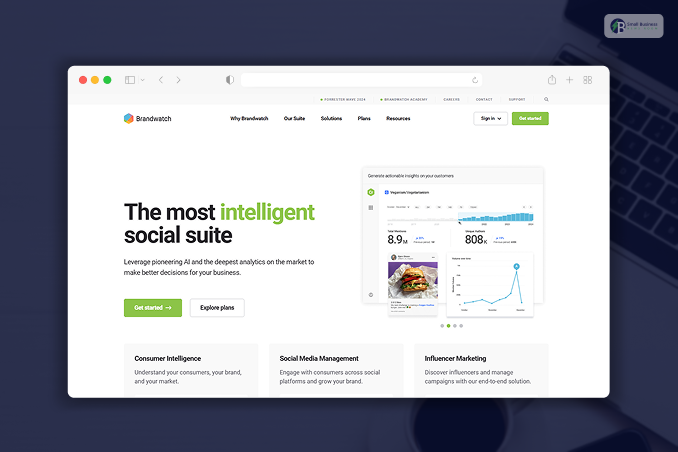
About: Brandwatch tracks social media and web forum conversations. It collects extensive public data.
Specialised in: Social listening and digital consumer insights.
Best For: Brands that are interested in monitoring public sentiment and the latest trends in real time.
20. Resonate
About: Resonate delivers comprehensive data on consumer values and motivations. It digs deeper than just demographics.
Specialised in: Psychographic and behavioural insights.
Best For: Firms that want to learn the reasons behind consumers’ purchasing decisions.
21. SurveySparrow
About: SurveySparrow is a tool that makes chat, like surveys, that seem like a friendly talk. It helps in raising response rates.
Specialised in: Interactive surveys and feedback collection.
Best For: Businesses that want higher customer engagement when asking questions.
22. Jotform
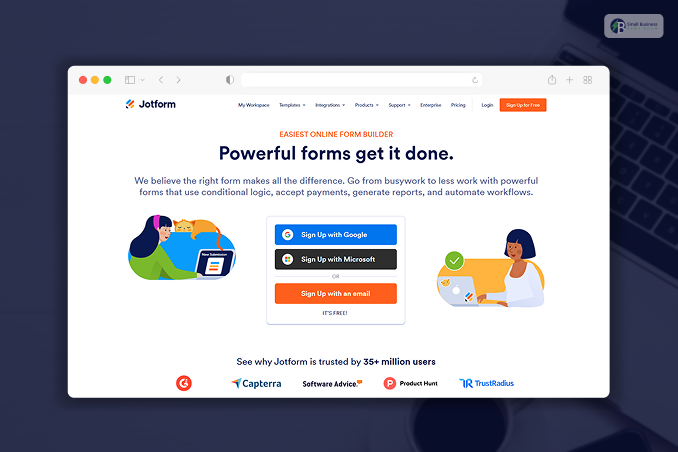
About: Jotform is an easy tool for building forms and collecting data online. It offers many templates.
Specialised in: Custom forms and simple surveys.
Best For: Teams that need fast setup without technical knowledge.
23. Sogolytics
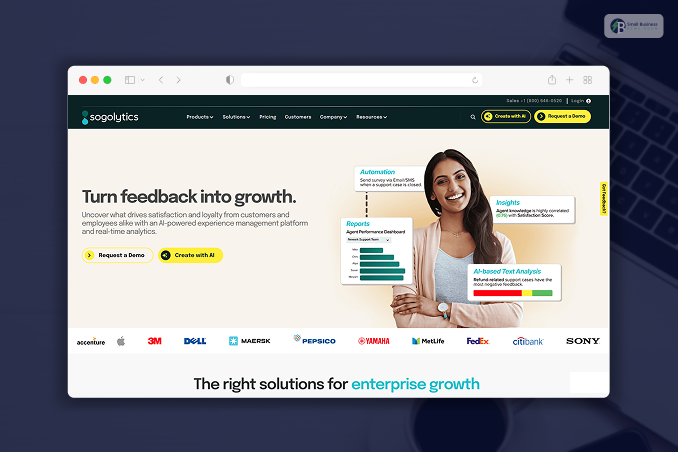
About: Sogolytics provides detailed survey tools and analytics features. It focuses on meaningful insights.
Specialised in: Customer and employee experience research.
Best For: Organisations that want deeper reporting from their survey data.
24. Trustpilot Insights
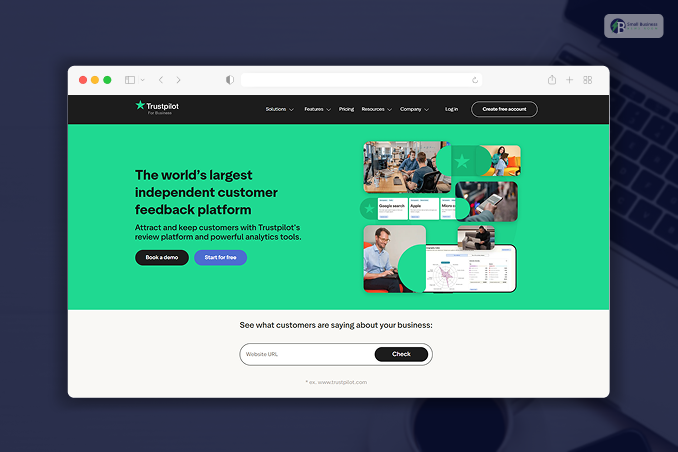
About: Trustpilot Insights studies customer reviews and ratings. It turns feedback into useful trends.
Specialised in: Review industry analysis and reputation insights.
Best For: Brands that want to improve services based on public reviews.
25. Similarweb
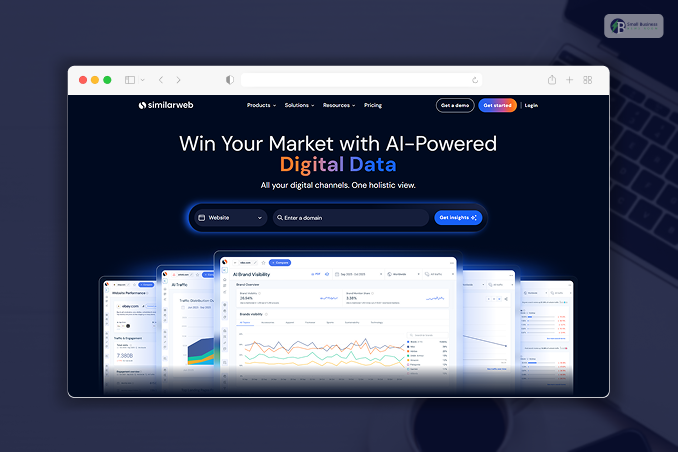
About: Similarweb tracks websites together with application traffic. It shows visitor sources and competitor performance.
Specialised in: Digital traffic analysis and benchmarking.
Best For: Businesses that want to compare their online presence with competitors.
26. Talkwalker
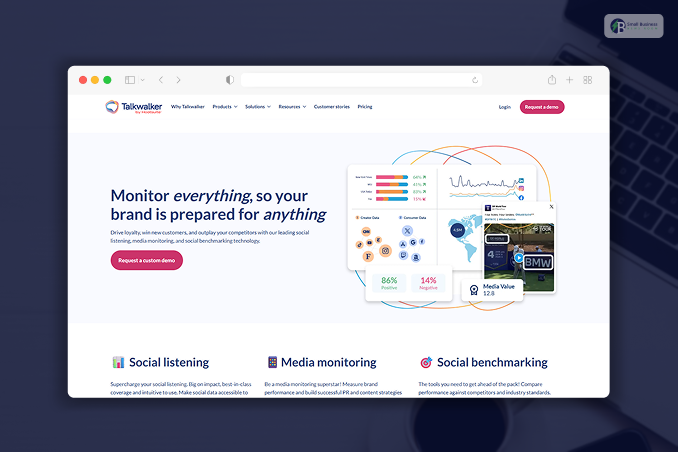
About: Talkwalker monitors online conversations and even tracks images. It provides detailed media analysis.
Specialised in: Social listening and brand monitoring.
Best For: Companies that want strong control over their public image.
27. YouGov Profiles
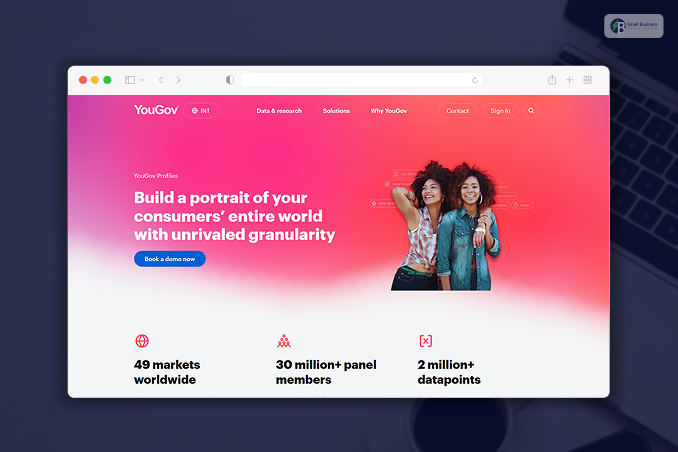
About: YouGov Profiles offers data about different audience groups and their interests. It is based on survey panels.
Specialised in: Audience segmentation and profiling.
Best For: Marketers who want to target very specific customer groups with clear data.
How To Evaluate & Choose The Right Tools?
I have spent years trying out different market research tools, and I know how hard it can be to find the right one.
Moreover, it feels like there is a new app every day, and they all claim to be the best! To save you some time, I put together a simple list of what I look for before I spend any money:
1. Accuracy And Trust.
This is the most important part. You need to be sure the information the tool gives you is actually correct, together with honest data.
2. Easy To Use.
Not to mention, I always pick market research tools that are simple to learn. Furthermore, they should also connect easily with the other programs you already use, so you do not waste time.
3. Live Updates.
Third comes the live updates. It is very helpful to see your data as it happens. This way, real-time reports let you make quick decisions when things change suddenly.
4. Cost And Growth.
You should think about the price today. But, at the same time, you can also ask if the tool can grow with your business as you get bigger.
5. Safety And Support.
Make sure the company complies with privacy laws such as the General Data Protection Regulation. Having good customer support is a lifesaver when you have a question. This is equally important.
Best Practices For Using Market Research Tools
After working with several market research tools over the years, I have discovered that having the right software is only half the battle.
To get results that actually help your business, you need a solid plan for how to use them.
Here are some of the best practices I follow to make sure my data is accurate and useful:
First, Combine Your Sources.
Do not just stick to one method, like surveys. I have found that mixing surveys with social media listening and website analytics gives you a much more complete story.
Second, Match The Tool To Your Goal.
You should always pick your market research tools based on what you need to learn.
For example, some are perfect for branding, while others are specifically made for product research.
Third, Find The Right Group.
It is very important to make sure the people you are talking to actually represent your customers. If your sample is wrong, your results will be too.
Lastly, Double-Check Your Findings.
I always try to verify my insights by using at least two different sources. This helps me feel confident that the information is correct before I make a big move.
Common Pitfalls & How To Avoid Them
I have spent a lot of time working with different market research tools, and I have learned that even the best software can be tricky.
It is very easy to make small mistakes that can really mess up your results. Because of that, I wanted to share a few common traps you should watch out for:
- First comes relying on just one source. Do not depend on a single tool for all your data.
I have found that you get a much better picture when you look at several different types of information.
- Secondly, ignore what people say. Numbers do not tell the whole story! You cannot ignore the actual feedback from people, as their feelings are just as important as the statistics.
- Thirdly, misunderstanding the metrics. It is very important to truly understand what the data means before making any major decisions.
Lastly, using old information. Always keep your datasets and market research tools up to date. If you use outdated info, it can lead you in the completely wrong direction.


