Table Of Contents
- Where Routing Becomes Complicated?
- Why Manual Planning Stops Working?
- The Real Cost Of Inefficient Routes
- Why Navigation Apps Alone Are Not Enough
- What Efficient Furniture Delivery Routing Looks Like
- How Companies Are Improving Delivery Efficiency
- Practical Ways To Improve Daily Routes
- What Better Routing Makes Possible?
- Lowering Your Everyday Costs
- Gaining A Real Competitive Edge
Why Furniture Delivery Is A Different Kind Of Challenge?
Delivering furniture is a completely different beast compared to regular mail. You aren’t dealing with small boxes you can just drop on a porch.
Instead, you are handling huge, heavy items that take up a ton of truck space and require careful handling. These physical demands pose major furniture delivery challenges for the logistics teams.
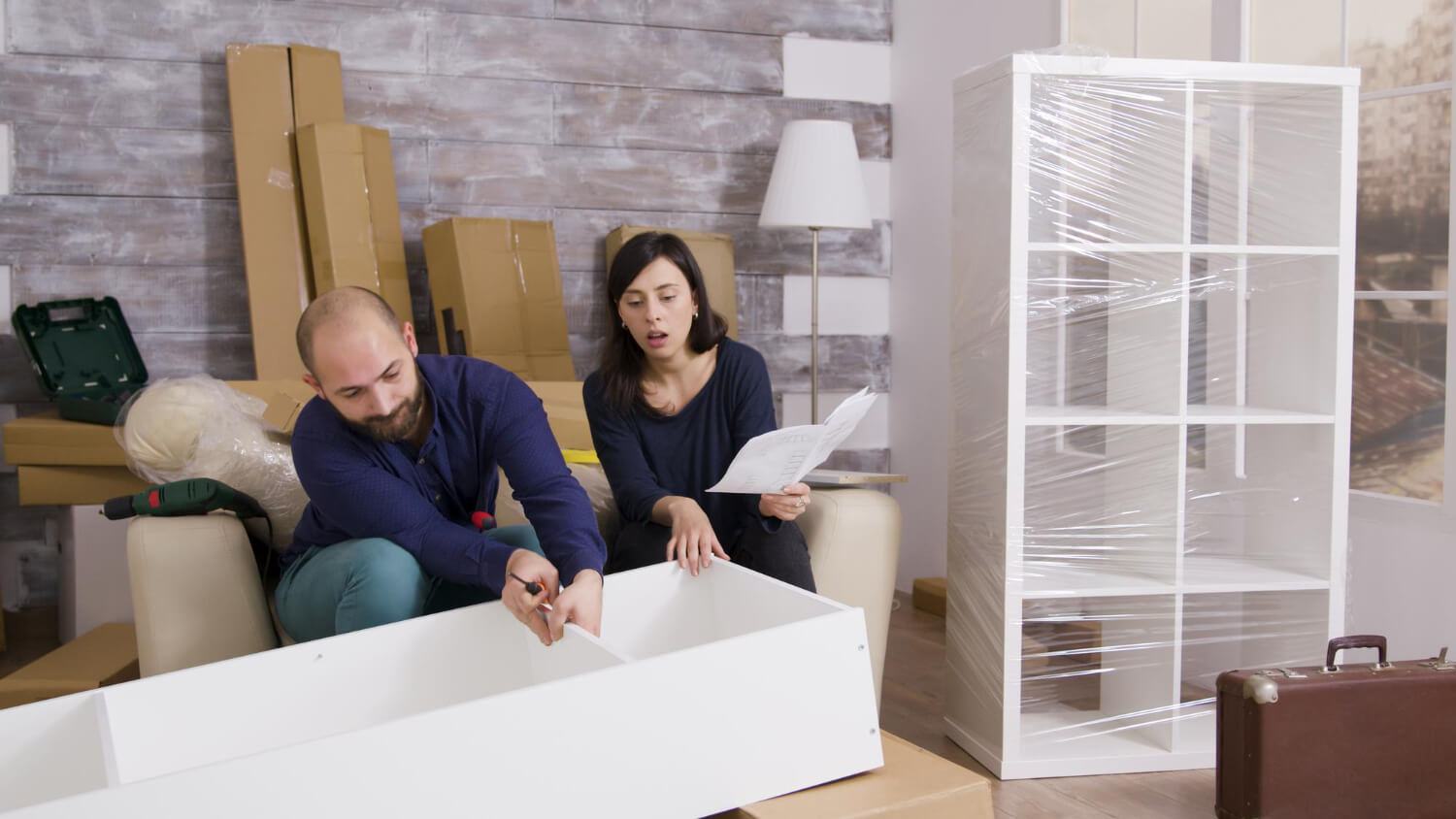
Plus, it’s rarely just about the quick drop-off. Drivers usually have to unload the piece. Acter that, they carry it inside, and sometimes even build it right there in your living room.
That adds a lot of time and effort to every single stop.
Timing matters a lot more, too. People won’t sit around for a vague, all-day delivery window for a couch.
They want an exact appointment, and if you’re late, it causes instant frustration. On top of that, you almost always need a two-person crew.
Managing teams instead of solo drivers just adds another layer of planning you have to get right from day one.
Where Routing Becomes Complicated?
The physical size of furniture naturally limits how many drops a driver can complete in a single route.
Trucks fill up incredibly fast. Every couch or wardrobe loaded in the back leaves less room for other orders.
This creates major furniture delivery challenges for the teams. Especially the teams that are trying to maximize their day.
Planning these routes is about much more than just finding the shortest distance on a map.
Dispatchers have to balance strict appointment windows, loading sequences, and the actual time it takes to carry items into a home.
Unexpected delays completely ruin the schedule because of this tight balancing act. Unlike a parcel driver who can make a quick, ten-second drop on a porch, a furniture crew facing a single setback can throw off the entire day’s timeline.
Managing the actual delivery crew adds another layer of difficulty. Drivers and helpers must stay perfectly aligned all day.
Without a clear, up-front strategy, this essential teamwork easily falls apart.
Why Manual Planning Stops Working?
Manual route planning struggles to handle the number of variables involved in furniture delivery. Dispatchers must juggle timing, capacity, service duration, and team availability all at once.
Even small errors in planning can lead to inefficient routes. A poorly sequenced stop might increase travel time or cause a missed appointment later in the day.
Flexibility is another limitation. When unexpected delays occur, manually adjusting routes is slow and often ineffective. By the time changes are made, the schedule may already be off track.
The Real Cost Of Inefficient Routes
When your delivery trucks run on messy, unoptimized routes, your entire operation takes a major hit.
The biggest issue is missed drop-off windows. Customers who order furniture expect you to show up exactly when promised. When your drivers run late, you are forced to reschedule the appointment, and customer trust drops instantly.
Labor costs also skyrocket when routes drag on too long. Your crews spend way more hours stuck in traffic or working late at delivery locations. This completely drains your overall business efficiency.
On top of that, you waste valuable truck space. Poor planning leaves vehicles half-empty, which severely limits the number of orders your fleet can handle in a single day.
Fewer completed jobs mean a major drop in daily delivery volume. This leaves a lot of potential revenue on the table, slows down your business growth, and makes it much harder to overcome standard furniture delivery challenges.
Why Navigation Apps Alone Are Not Enough
Tools like Google Maps, Apple Maps, and Waze are useful for directions. However, they do not account for the complexities of furniture delivery.
These apps are built for simple trips from one point to another. They do not account for delivery time windows, service durations, or vehicle capacity.
They also lack load optimization. There is no way to plan how items should be arranged within the vehicle to maximize efficiency.
Without these capabilities, navigation apps can only support execution, not planning.
What Efficient Furniture Delivery Routing Looks Like
Improving efficiency starts with structured planning that accounts for all constraints.
You need to optimize the routes based on multiple factors. This includes:
- Distance,
- Timing,
- Delivery requirements.
This ensures that each stop fits logically within the overall schedule.
Time window management is critical. Each delivery must be aligned with its scheduled slot to avoid delays and rescheduling.
Capacity-aware planning helps maximize the use of each vehicle. By organizing deliveries based on load size and sequence, teams can complete more jobs per route.
Execution also needs to be simple. Drivers and teams should follow clear routes without unnecessary confusion or manual adjustments.
How Companies Are Improving Delivery Efficiency
Many furniture delivery companies are moving toward centralized planning systems to handle these challenges.
Dispatchers gain full visibility over routes, teams, and schedules. This improves coordination.
Automated tools are becoming a key part of this shift. A furniture delivery route planner app can help you with many stuff:
- They can help organize stops,
- Secondly, they can account for time windows,
- Moreover, they can also help to build routes that reflect real-world constraints.
For example, solutions like Optiway allow teams to plan multi-stop routes efficiently and generate accurate ETAs.
They can further guide drivers using familiar navigation tools such as Google Maps, Apple Maps, and Waze.
This combination simplifies execution while improving overall planning accuracy.
Practical Ways To Improve Daily Routes
Improving furniture delivery efficiency often comes down to better preparation and smarter planning.
- Smart Time Windows
Firstly, you need to set realistic time slots for every stop. Do not just plan for the drive. You need to build in a time cushion so crews can unload, assemble, and place items without rushing.
- Strategic Truck Loading
Secondly, you have to optimize your routes early to plan your loading order based on your delivery sequence.
The last item loaded should be the first one taken out. This saves your team from digging through a packed truck.
- Route Clustering & Fair Workloads
After that, you can cluster nearby deliveries geographically to reduce driving distances.
Grouping stops by neighborhood maximizes your efficiency and keeps fuel costs low. While organizing these zones, balance workloads evenly across your teams to prevent driver fatigue.
- Smart Team Allocation
Allocate your teams based on delivery complexity. Send your most experienced assembly pros to the toughest setups.
- Real-Time Flexibility
Once the trucks are on the road, remain flexible. Adjust routes based on real-world conditions like traffic or weather.
Once you start to take these tiny steps, you can eliminate major furniture delivery challenges and keep your customers happy.
What Better Routing Makes Possible?
Getting your schedule right changes everything. When your trucks show up exactly when promised, customers notice.
Showing up on time builds real loyalty. Your drivers can also complete more stops in a regular workday. This creates extra capacity to handle more business.
Lowering Your Everyday Costs
Smart routing keeps more money in your pocket. Your team spends less time on the road, which immediately reduces your fuel costs.
It also means less overtime pay and less wear and tear on your vehicles. As a bonus, clear maps make the workday much less stressful for your drivers.
Gaining A Real Competitive Edge
Happy customers are the ultimate goal. When deliveries arrive on time and look exactly as expected, people remember the experience.
In a crowded market, being the company that people can actually rely on becomes your biggest selling point.
This reliability helps you conquer furniture delivery challenges and grow your brand.