Table Of Contents
- Introduction to Workers Compensation:
- 1. Defining Workers' Compensation:
- 2. Importance for Employees:
- 3. Coverage Overview:
- 4. The Claims Process:
- Rights and Responsibilities:
- A) Employees' Rights:
- B) Employees' Responsibilities:
- C) Employer's Role:
- D) Legal Protections:
- Understanding Settlements:
- 1. Settlement Types:
- 2. Negotiating Settlements:
- 3. Settlement Calculation for Workers Compensation:
- 4. Legal Assistance
- Common Pitfalls and How to Avoid Them
- A) Delayed Reporting:
- B) Inadequate Documentation:
- C) Accepting Early Settlements:
- D) Navigating Without Legal Help:
- Maximizing Your Compensation:
- 1. Seeking Proper Medical Evaluation:
- 2. Understanding Benefit Options:
- 3. Active Participation in Your Case:
- 4. Continuous Learning:
- Understand The Essentials Of Workers' Compensation Today!
Workers Compensation Essentials Every Employee Should Know
Last Updated on: February 14th, 2026
In today’s dynamic work environment, being well-versed in workers’ compensation is essential for employees across all sectors.
Workers’ compensation is a critical safety net, providing financial protection and support to those who sustain injuries or illnesses directly related to their job duties.
However, navigating the intricacies of this system can be overwhelming, with processes ranging from the initial filing of a claim to understanding the nuances of workers’ compensation settlement calculation.
This guide is meticulously crafted to demystify workers’ compensation, equipping employees with the knowledge and tools to confidently navigate the system.
So, by delving into the essential elements of workers’ compensation, from the basic rights and responsibilities of employees to strategies for maximizing compensation, this guide seeks:
- To ensure that every worker is adequately prepared and safeguarded against the unforeseen.
- To navigate a smoother path to recovery and financial stability in the wake of workplace accidents or health issues.
Introduction to Workers Compensation:

In this section, let’s check out the key aspects of workers’ compensation.
1. Defining Workers’ Compensation:
Workers’ compensation is an insurance program that provides financial and medical benefits to employees who suffer job-related injuries or illnesses.
Moreover, this system can help workers recover and return to work, facilitating a swift, efficient return to the workforce without any legal burden.
2. Importance for Employees:
Understanding workers’ compensation is crucial for every employee. It provides a safety net against financial hardship from work-related injuries.
Also, this knowledge empowers employees to advocate for their rights and benefits in the event of a workplace accident.
3. Coverage Overview:
Workers’ compensation covers medical expenses, rehabilitation costs, and lost wages, ensuring employees are not left struggling after a workplace incident.
Also, it’s a comprehensive support system that addresses injured workers’ immediate and ongoing needs.
4. The Claims Process:
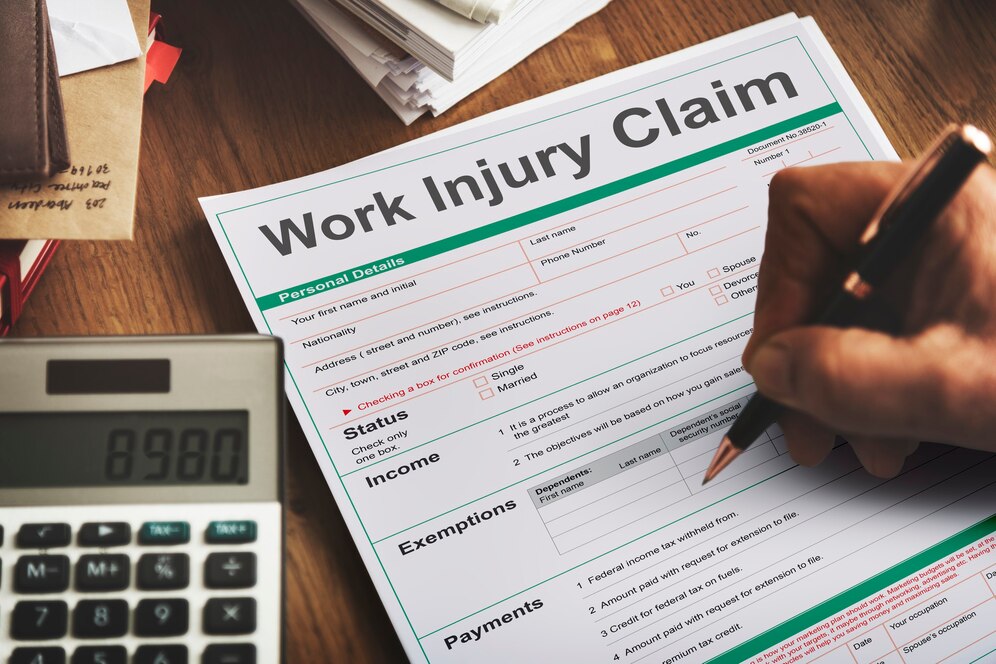
Filing a workers’ compensation claim involves notifying your employer, seeking medical attention, and submitting the necessary paperwork.
Moreover, timeliness and accuracy are key to a smooth process, and understanding these steps ensures that employees can initiate their claims without delay.
Rights and Responsibilities:
In this section, we will discuss the key aspects of workers’ rights and responsibilities in the event of workplace injury.
A) Employees’ Rights:
Employees can file a claim, seek medical treatment, and appeal denied claims.
Moreover, knowing these rights can empower you during recovery, ensuring that you take the necessary steps to secure the compensation and care you deserve.
B) Employees’ Responsibilities:
Along with rights come responsibilities, including promptly reporting injuries, following prescribed medical advice, and cooperating with the claims process.
Also, employees must adhere to these responsibilities to facilitate a fair and timely resolution of their claims.
C) Employer’s Role:
Employers are responsible for providing a safe work environment, carrying workers’ compensation insurance, and assisting employees in claims.
Also, this duty underscores the importance of maintaining open lines of communication and support between employers and their workforce.
D) Legal Protections:
Workers’ compensation laws protect employees from retaliation for filing a claim, ensuring their job security is not threatened by seeking due compensation.
Moreover, these protections are foundational to fostering a just and safe workplace where employees feel secure in exercising their rights.
Understanding Settlements:
In this section, we will touch upon the key aspects of settlements in workers’ compensation:
1. Settlement Types:
There are different types of settlements in workers’ compensation, including lump-sum payments and structured settlements, each suited to different situations.
Moreover, understanding the benefits and drawbacks of each type can help employees make informed decisions about their compensation options.
2. Negotiating Settlements:
Negotiating a fair settlement is crucial. Employees should understand the factors that influence their compensation, including the extent of injuries and future medical needs.
Also, being prepared and informed can significantly enhance your negotiating position.
3. Settlement Calculation for Workers Compensation:
Calculating a settlement involves evaluating medical costs, future care, lost wages, and the impact on the employee’s quality of life.
This complex process requires a thorough understanding of both current and future needs arising from workplace injury.
4. Legal Assistance
Hiring a legal expert can provide invaluable assistance in navigating the settlement process, ensuring that employees receive fair compensation.
Moreover, an experienced attorney can offer insights and strategies that significantly benefit the outcome of your settlement negotiations.
Common Pitfalls and How to Avoid Them
In this section, we have highlighted the common pitfalls and, more importantly, how you can avoid these:
A) Delayed Reporting:
Failing to report an injury promptly can jeopardize your claim. Also, immediate reporting is essential for a successful compensation process.
So, to avoid this pitfall, familiarize yourself with your employer’s reporting procedures before an incident occurs.
B) Inadequate Documentation:
Lack of proper documentation can weaken your claim. So, keep detailed records of medical treatments, expenses, and communications regarding your injury.
Moreover, this thorough documentation is the backbone of your claim, providing tangible evidence to support your case.
C) Accepting Early Settlements:
Quickly accepting an offer without fully understanding its implications can result in inadequate compensation. Always review settlements carefully.
Moreover, seeking a second opinion from a legal expert can provide clarity and ensure the offer meets all your needs.
D) Navigating Without Legal Help:
Proceeding without legal advice can lead to missed opportunities for better compensation. Consider consulting with a workers’ compensation lawyer.
Moreover, an attorney’s guidance can help you navigate the complexities of your claim and maximize your settlement.
Maximizing Your Compensation:

In this section, we have highlighted how you can maximize compensation as a worker:
1. Seeking Proper Medical Evaluation:
A thorough medical evaluation provides the foundation for your claim, ensuring that all injuries are properly documented and treated.
Moreover, selecting healthcare providers experienced in workers’ compensation cases can further enhance the accuracy and effectiveness of your medical reports.
2. Understanding Benefit Options:
Familiarize yourself with all the benefits of workers’ compensation, including rehabilitation services and vocational training if you cannot return to your previous job.
Also, this comprehensive understanding allows you to leverage the full benefits to support your recovery and financial stability.
3. Active Participation in Your Case:
Stay actively involved in your case by attending all medical appointments and maintaining open communication with your employer and insurance carrier.
Also, this proactive approach ensures your interests are consistently represented, and your case progresses efficiently.
4. Continuous Learning:
Stay informed about changes in the compensation laws and policies of workers. Continuous learning can help you navigate the system more effectively.
Moreover, engaging with workers’ compensation forums and attending relevant seminars can provide valuable insights and updates.
Understand The Essentials Of Workers’ Compensation Today!
In conclusion, understanding the essentials of workers’ compensation is crucial for every employee.
From understanding your rights and responsibilities to mastering the compensation settlement calculation, being well-informed empowers you to navigate the system effectively.
Remember, when in doubt, seek legal advice to clarify your options and ensure your path to recovery and compensation is as smooth as possible.
So, stay informed, stay prepared, and ensure that you’re fully equipped to handle any situation that arises in the workplace.
Read Also:
- Understanding The Importance Of Safety Critical Worker Medicals
- Workers’ Compensation Essentials Every Employee Should Know
- Unemployment Benefits: How Much Does Unemployment Pay?