Table Of Contents
- What Is SMS Bombing Org?
- What Are The Common Types Of SMS Abuse And How They Show Up?
- A Quick Checklist
- A Quick Reporting Reference
- 1. Repeated Spam SMS messages
- 2. Flood Of Verification Codes
- 3. SMS Phishing Link
- 4. Unauthorized Subscription SMS
- Who Are The User Base And Target Audience?
- Legal And Ethical Considerations (Country‑focused)
- What Are The Disclaimers And Safety Guidelines For Using SMSBombers?
- How To Protect Yourself From This?
- 1. Preserve Your Evidence
- 2. Block The Sender
- 3. Forward The Spam To Your Carrier
- 4. Report To The Impersonated Brand
- 5. File A Formal Complaint
- 6. Notify Mobile App Stores
- 7. Change Your Number
- What Are The Tools and resources That Can Assist You To Report And Recover?
- What Are The Common Mistakes That You Must Avoid?
- What Are The Major Alternatives You Can Also Use?
- SMSBombers.org: The Activity Status
SMSbombers Org: Full Guide To Sms Bombing, Risks, Legality & Safety In 2026
Last Updated on: May 30th, 2026
The phrase Smsbombers org can pop up in searches or online discussions for many reasons.
Sometimes, people look it up to understand the tools used for SMS abuse. Other times, it shows up because someone thinks their phone number has been targeted by mass texting.
No matter why you’re here, this guide focuses on your safety and how to report such activity, not on promoting anything harmful.
You’ll learn how to spot abusive SMS behavior, what steps you can take to report it, and how to protect your privacy and devices.
You’ll also find tips on how to respond in ways that limit damage and keep you safe.
The aim is simple: to give you clear, practical advice about smsbombers org along with SMS abuse. You’ll get quick tips for immediate action, along with deeper explanations to help you understand what’s happening and handle it with confidence.
What Is SMS Bombing Org?
When the term Smsbombers org pops up, you may feel a mix of reactions ranging from curiosity to worry.
The term “SMS bombers” typically refers to applications or services that flood a single mobile number with a large number of text messages.
Such activities are often associated with virtual bullying, deception, or even overloading a phone call or messing up online verification systems.
Treat it as a red flag whether it is a real site, a trendy search term, or just something talked about on the internet.
The threat is real, even if the source is unclear. Unsolicited bulk messages may lead you to fraud, phishing, hidden fees, and privacy intrusions.
Being cautious is a must, so do not click on unknown links and never give out personal information.
Inform your carrier about any suspicious or spam messages so you can block the sender right away to ensure your safety.
What Are The Common Types Of SMS Abuse And How They Show Up?
Abusive SMS can take many forms. Here are some of the common patterns to watch for and why they matter!
- When you start to receive repeated messages from unknown numbers at odd hours.
- Suddenly, the verification code floods, allowing someone to trigger repeated two-factor authentication codes on your device.
- Messages that might ask you to click a specific link or call a number to resolve an urgent problem.
- Various spoofed messages that can appear to come from a trusted company. However, those are actually fraudulent.
- Subscription traps that enroll your number in paid services without your clear consent.
A Quick Checklist
Taking direct measures to enhance your security is the way to stop abuse.
- Block sender: This is the very first step to prevent any unwanted communication from the abuser. It can be done easily through your phone’s message app block functionality.
- Screenshot messages: This is a crucial step, as it preserves evidence of the abuse. The more detailed your screenshots are, the more useful they will be, so try to take clear shots with the time written on them.
- Report to the impersonated company: The action is significant in identifying the fraud. It can be done through the support or abuse email of the official website.
- Change account passwords: Changing passwords helps in safeguarding accounts from being hacked.
It can be performed quickly using a strong, unique password and 2FA (two-factor authentication) when possible.
- Forward message to carrier: Forwarding the message to 7726 or your carrier’s specific code helps carriers filter and take action against spam.
A Quick Reporting Reference
In order to safeguard yourself from digital abuse and fraud in 2026, you should report the problem you notice by following these guidelines:
1. Repeated Spam SMS messages
You need to report these to your mobile carrier. Along with your report, please include a screenshot of the message, the original text, and the destination URL of any links provided.
2. Flood Of Verification Codes
If you are receiving codes in large numbers, first contact your mobile carrier, then the service you are using (for example, a bank or social media app).
Be sure to include the exact times of the codes and any suspicious account activity you have observed.
3. SMS Phishing Link
You need to report these to your mobile carrier’s abuse portal, or you can forward the message to 7726.
You should also provide a copy of the message, the date it was received, and your phone bill in case you were charged for it.
4. Unauthorized Subscription SMS
If you are being billed for subscriptions that you did not authorize, first communicate with the billing dispute department of your carrier and then with the consumer protection agency in your locality.
Provide all the relevant information regarding the billing dispute, as well as any communication you have had with the agency.
Who Are The User Base And Target Audience?
The people who mostly use this platform are:
- The people who aim for revenge or play pranks on their close ones.
- Troll someone to create disruption
- The people who are curious to see what the platform is for!
Often, bored but curious teenagers and people with ill intent use this message bomber the most! And the low barrier to entry makes the platform even more accessible to others.
Legal And Ethical Considerations (Country‑focused)
When handling SMS abuse in 2026, you must stay safe and follow the law. Well, the smsbombers org tells you that you can use these guidelines in order to protect yourself:
- Do not seek revenge: never ever try to spam the abuser back! Retailing can make the situation even worse and might even put you in legal trouble.
- Avoid clicking links: Do not open links in suspicious messages. These can install malware on your phone or steal your private login information.
- Protect others’ privacy: When you can send screenshots to the authorities, you just have to ensure that you have removed or blurred out the personal information that is
- Know your rights: More regions have laws that require carriers to help with harassment and fake charges. Keep a detailed log of every call and report you make.
- Get help for serious threats: If someone threatens to hurt you or is stalking you, contact law enforcement immediately.
What Are The Disclaimers And Safety Guidelines For Using SMSBombers?
When you get to the smsbombers org tool in 2026, the first thing that should come to your mind is safety and responsibility.
Follow these hints to keep your jokes harmless and entertaining:
- No Harassment: Don’t ever use the tool to annoy, upset, or injure another person. Sending texts over and over again to make someone uncomfortable is classified as harassment.
- Privacy and Consent: Only joke around with those with whom you are on friendly terms, like friends or family, and get their approval first. Never pick on a stranger or someone who hasn’t given their consent.
- Sensitive Situations: Don’t use the tool in emergency situations or against people who might be emotionally upset. Your actions should not compromise someone’s safety or health.
- Law Abiding: Ensure your messages comply with the regulations where you live regarding digital communication. If you misuse this tool to harass others, you could face serious legal consequences.
- Just for Fun: This tool is intended solely for fun. Any malicious use is strictly forbidden.
- Responsible Use: By using this tool, you acknowledge that you are the only responsible person for your actions. The developers won’t be held accountable for any trouble or harm caused by your misuse.
Common red flags that you need to watch out!
SMS bombing is not just some sort of simple fun. There can be significant consequences that you need to understand!
Here’s what it can do:
- Anxiety and emotional distress among the victims.
- Battery drain and Inconvenience
- Online harassment
Also Check: Exploring Barapk Org: A Comprehensive Guide To Its Features And Benefits
How To Protect Yourself From This?
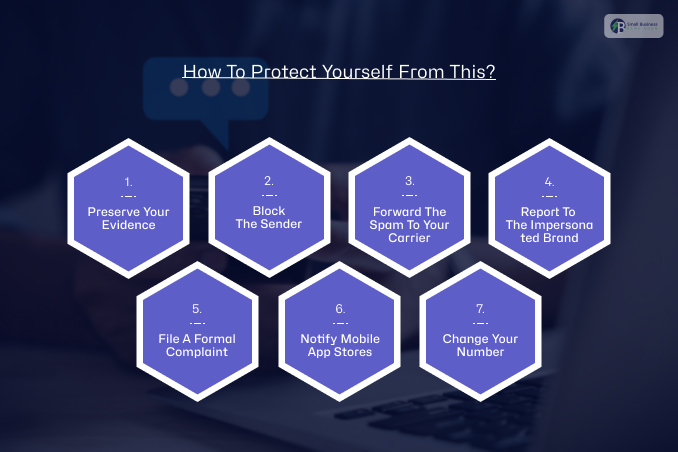
To prevent further abuse and help others in 2026, kindly follow the steps below in sequence.
You do not necessarily have to complete every step, but by intertwining them, you will find the safest way to document the bad behavior and ensure it is documented.
1. Preserve Your Evidence
Before removing anything, first, take screenshots of the whole message thread. Be very careful to include the sender’s complete details and the exact timestamps.
If the message includes a hyperlink, do not click on it with your mobile device. What you can do is either copy the URL text or access it only on a secure, isolated computer.
2. Block The Sender
Use your phone’s inbuilt settings to either block or mute the sender’s number for now. This way, the other messages meant for you will be halted instantly.
3. Forward The Spam To Your Carrier
In several nations, there is a facility where you can forward text messages you suspect are spam to the short code 7726, which also spells out “SPAM”.
This action allows your carrier to enhance its spam filtering system, thereby making it safer for all users.
4. Report To The Impersonated Brand
If the text indicates it is from a bank, a delivery service like FedEx, or a social media platform, report it through their official abuse channel. They will check for phishing sites and alert others who may be affected.
5. File A Formal Complaint
If you have suffered financial loss or feel insecure, contact your local police or cybercrime unit.
You can either file a report through the FBI Internet Crime Complaint Center (IC3) or through your local consumer protection agency.
6. Notify Mobile App Stores
If there is any association between SMSabuse and a particular application, report it to the Google Play Store or Apple App Store for investigation.
7. Change Your Number
If the harassment does not end, changing your number or hiring a professional call-blocking service for a long period of time would be your last resort.
What Are The Tools and resources That Can Assist You To Report And Recover?
You cannot report or reduce the SMS abuse using the common tools and trusted organizations listed below.
Always rely on official sources and avoid random third-party services that claim to offer instant fixes. They usually worsen the situation.
Start with your carrier’s customer service. The majority of carriers can block spam senders and may even compensate for unauthorized charges.
Moreover, one can use short-code spam-reporting services, such as 7726 (if available), to report dubious messages with ease.
If the message appears to be from a company, go to that company’s official website and use their security or phishing report page.
There are also consumer protection or cybercrime portals in many countries where you can submit your complaint.
If you suspect that there are some sort of issues with your phone, then a reliable antivirus or mobile security application is what you need. For additional security, make use of password managers and two-factor authentication apps.
While making reports, keep it simple: include your contact info, the message text, the date and time, screenshots, and any money lost.
Additional Resource: POAM – What It Means and Why It Matters in Cybersecurity
What Are The Common Mistakes That You Must Avoid?
Here are some common mistakes you should avoid when handling SMS abuse. Such mistakes can compromise your report and make it more difficult to proceed.
- Do not report SMS abuse and delete the messages at the same time. Most agencies and service providers will not be able to assist you without any proof.
- Try not to depend on blocking only one number. Many attackers use several or even fake (spoofed) numbers, so blocking will not be sufficient.
- Do not assume a message is safe just because it looks legitimate. Scammers often mimic the style and language of reputable brands to deceive you.
- Moreover, do not respond to such messages or disclose any personal information. Even a short reply may indicate that your number is active.
- One should be cautious about third-party “anti-spam” tools that request uploading messages to unidentified servers. Stick to well-known and reliable applications only.
The mistakes mentioned above can weaken your reports, but if you avoid them, your reports will come out strong and potent.
What Are The Major Alternatives You Can Also Use?
You need to take a super careful and ethical approach when planning to test OTP vulnerabilities.
This way, you can avoid annoying real users or breaking laws. So, here’s how you can do it:
- Use Sandbox Tools: here, you can set up disposable or dedicated numbers for staging.
- Mock Everything: Instead of real SMS, you can also use mock servers to pretend messages are delivered.
- Magic Numbers: After that, you can also consider using Twilio’s magic numbers or special test credentials. This can help you to simulate sends without hitting real carriers.
- Get Permission: This is a must! You need to absolutely get written, explicit approval before you start.
- Keep Records: You must also document everything. This includes our consent, the scope, and the volume of your tests.
- Use Your Own Stuff: Moreover, you can focus on your own accounts and keep traffic volumes capped.
- Be Smart: Lastly, keep screenshots and timestamps to prove it was a test.
Essentially, it is about being responsible. Actively work with your provider’s support team; they often have great tips for safe stress tests.
SMSBombers.org: The Activity Status
SMSBombers.org and similar sites are still going up! And they have become quite popular in early 2026.
However, they tend to switch domains, or you might find them going offline due to the hosting companies or the legal pressure!
They are either taking down the sites or relaunching them again and again!
You might see the new versions o coming up every new day! The authorities try really hard to enhance detection and blocking.
However, you might still find them upon searching on the search engines.